The Engineering & Sourcing Authority Guide to AI Camera Glasses
As the smart wearable landscape transitions from wrist-based sensors to head-mounted visual telemetry, AI camera glasses have emerged as the foundational hardware interface for ambient multimodal intelligence. However, for procurement directors, product managers, and international importers, sourcing these sophisticated electro-optical systems from China requires a profound shift in supplier evaluation criteria. Unlike conventional consumer electronics, AI vision eyewear sits at the complex intersection of micro-optics, high-frequency RF communication, micro-thermal mechanics, and strict international privacy legislation.
1. Dissecting the Electro-Optical Architecture: Sensor Selection & ISP Challenges
The visual fidelity of any camera glasses platform is fundamentally dictated by its CMOS image sensor and accompanying Image Signal Processor (ISP). In consumer POV content creation and enterprise remote assistance, common failure points include washed-out dynamic range, rolling shutter distortion during head movement, and severe chromatic aberration along peripheral lens edges.
At Shenzhen Tucks Technology Co., Ltd., our engineering team standardizes on premium Sony IMX starlight-class and high-sensitivity CMOS sensors paired with specialized low-power edge ISPs. By incorporating multi-frame HDR capture algorithms and digital Electronic Image Stabilization (EIS) directly onto the hardware pipeline, our camera modules cancel out high-frequency micro-tremors caused by natural walking footsteps, delivering smooth 1080p 60fps or crisp 4K 30fps footage without requiring bulky mechanical gimbals.
2. Overcoming the Structural Battery vs. Ergonomics Dilemma
The cardinal rule of smart eyewear design is weight distribution. Traditional glasses rest comfortable weight across three critical contact points: the nasal septal bridge and the two superior auricular sulci (behind the ears). If a pair of AI camera glasses places the lithium battery weight solely at the front chassis, the eyewear will inevitably slide down the user's nose, causing discomfort and optical misalignment.
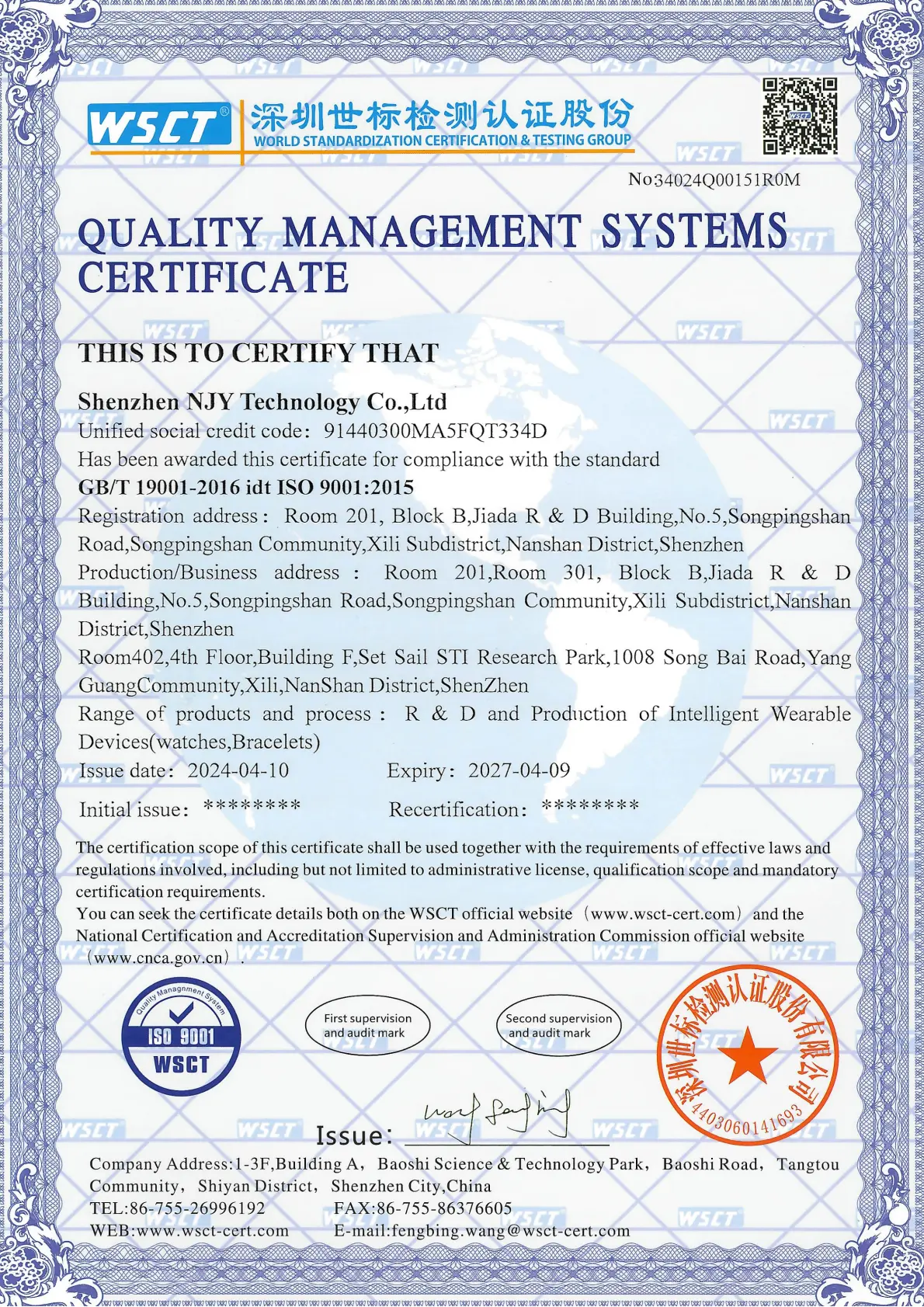
Through our dedicated ISO9001 manufacturing facilities in Shenzhen, we utilize a symmetrical dual-cell balance topology. By splitting high-density pouch batteries into opposing temple stems, we achieve a center of gravity situated within 2 millimeters of traditional corrective spectacles. This mechanical achievement enables all-day wearability across a comprehensive spectrum of facial morphologies while maintaining adequate milliamp-hour reserves for continuous video capture and wireless LLM query playback.
3. Navigating International Compliance: FCC, CE RED, and Battery Aviation Safety
Importing smart vision hardware into regulated markets without airtight compliance documentation is a major commercial liability. When sourcing AI camera glasses, procurement specialists must verify that testing covers intentional radiation across both 2.4GHz and 5.8GHz bands.
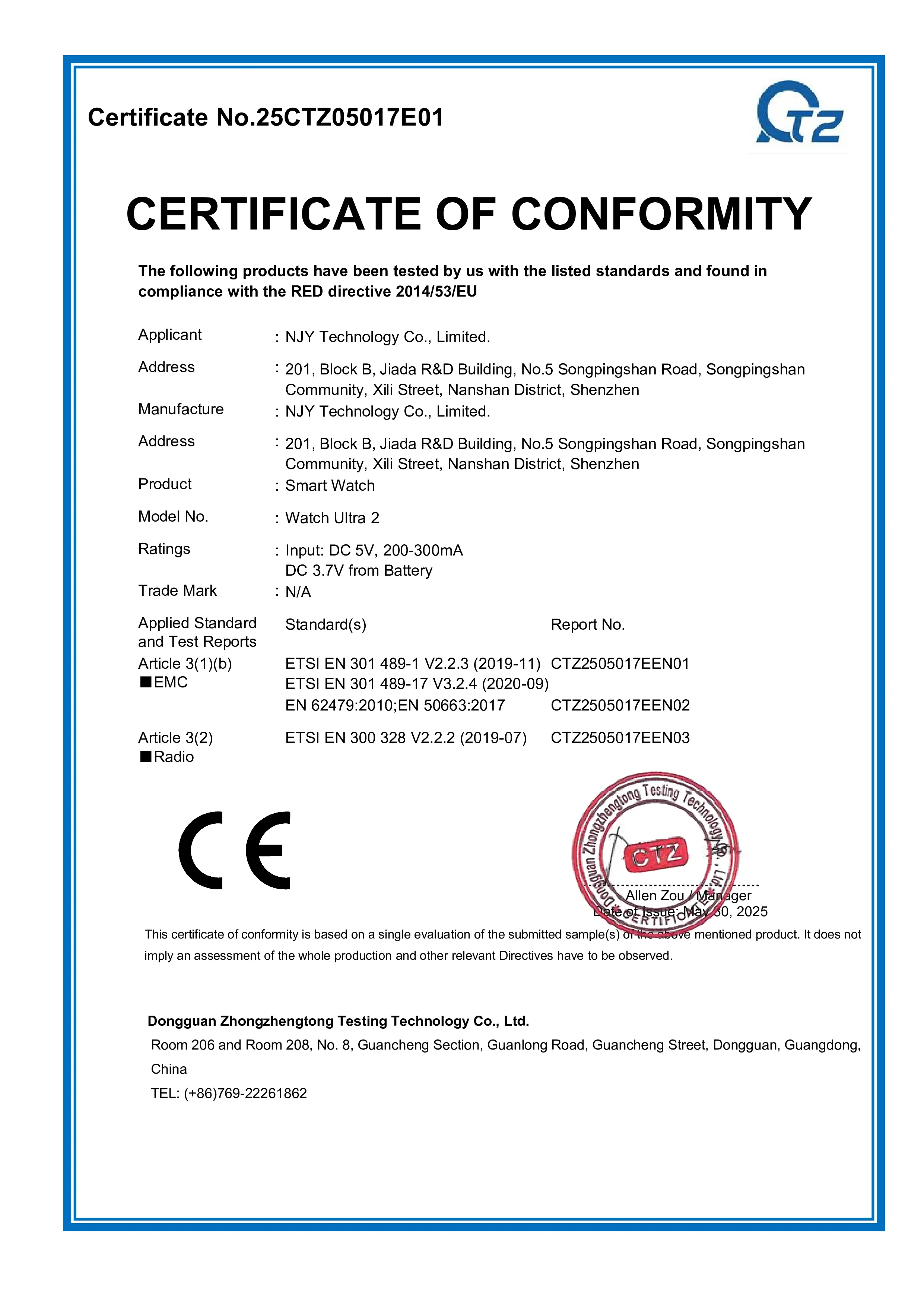
Shenzhen Tucks Technology Co., Ltd. manages every tier of testing through accredited third-party certifying bodies. Our shipments are fully backed by CE RED reports covering EN 300 328, EN 301 893, and EN 62479 (SAR human exposure safety), alongside FCC ID grants for North American market release. Furthermore, our complete battery configurations undergo exhaustive UN38.3 altitude simulation, thermal shock, vibration, and external short-circuit testing, guaranteeing seamless customs clearance and hassle-free commercial air cargo logistics.
4. Private-Label Customization Capabilities at Low Initial Volume
Navigating the transition into emerging technology hardware requires supply chain flexibility. Large factory brokers often demand minimum orders of 5,000 to 10,000 units before allowing cosmetic customization. Shenzhen Tucks Technology Co., Ltd. disrupts this model by offering full private-label OEM manufacturing starting at just 200 pieces per SKU.
Our OEM scope includes precision laser-etched frame logos, custom Pantone CMF temple finishes, custom optical lens options (including blue-light blocking, polarized Category 3 UV400, and photochromic transitions), custom retail packaging with magnetic presentation boxes, and branded mobile firmware identifiers. For bespoke ODM projects, our in-house optical engineering and rapid prototyping laboratory delivers fully functioning gold samples in as fast as 7 business days, followed by complete volume mass production in 15 to 25 business days.
For technical inquiries, detailed electrical BOM breakdowns, or to request our official OEM sample kit, reach out to our dedicated engineering and sales division at [email protected]. Our technical project leads respond to all global RFQs within one business day.