Proprietary Antenna Calibration
Our RF engineers isolate antenna elements from battery and display noise using multi-axis 3D simulation, yielding industry-leading TRP and sub-second signal lock.
Direct OEM / ODM Factory · Since 2008
Overcome trajectory drifting, antenna degradation, and battery bottlenecks with dual-frequency GNSS architectures. Factory-direct engineering from Shenzhen Tucks Technology Co., Ltd. with ISO9001 quality compliance, 200-piece MOQ, and 7-day prototyping.

Enterprise Hardware Manufacturing
8 automated SMT lines, anechoic chamber antenna testing, and 2M+ annual output for sports brands across 30+ countries.

White-Label Hardware & Apps
Firstbeat-style physiological metrics, sub-second TTFF GPS lock, and turnkey iOS/Android mobile SDKs branded for your business.
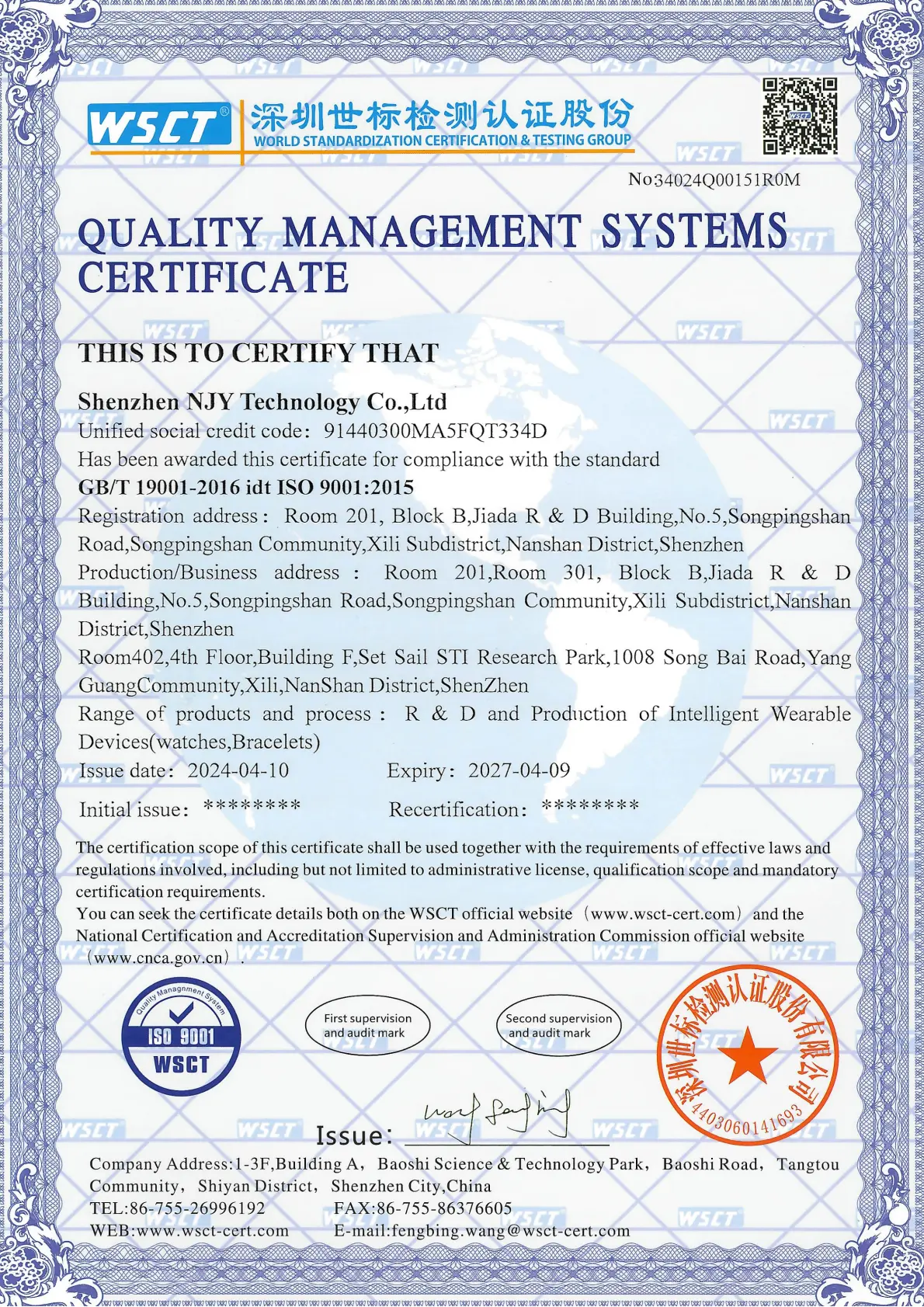
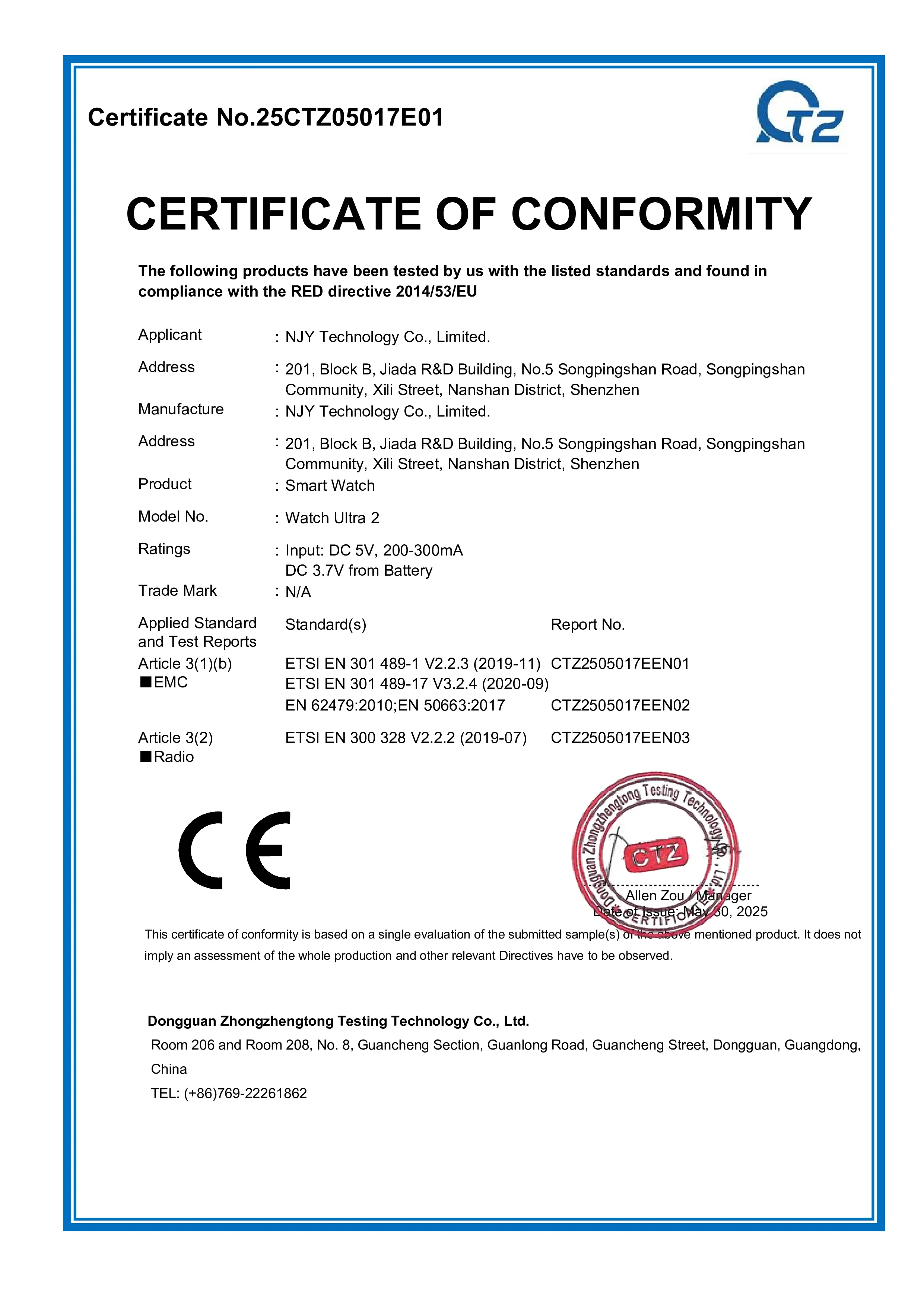
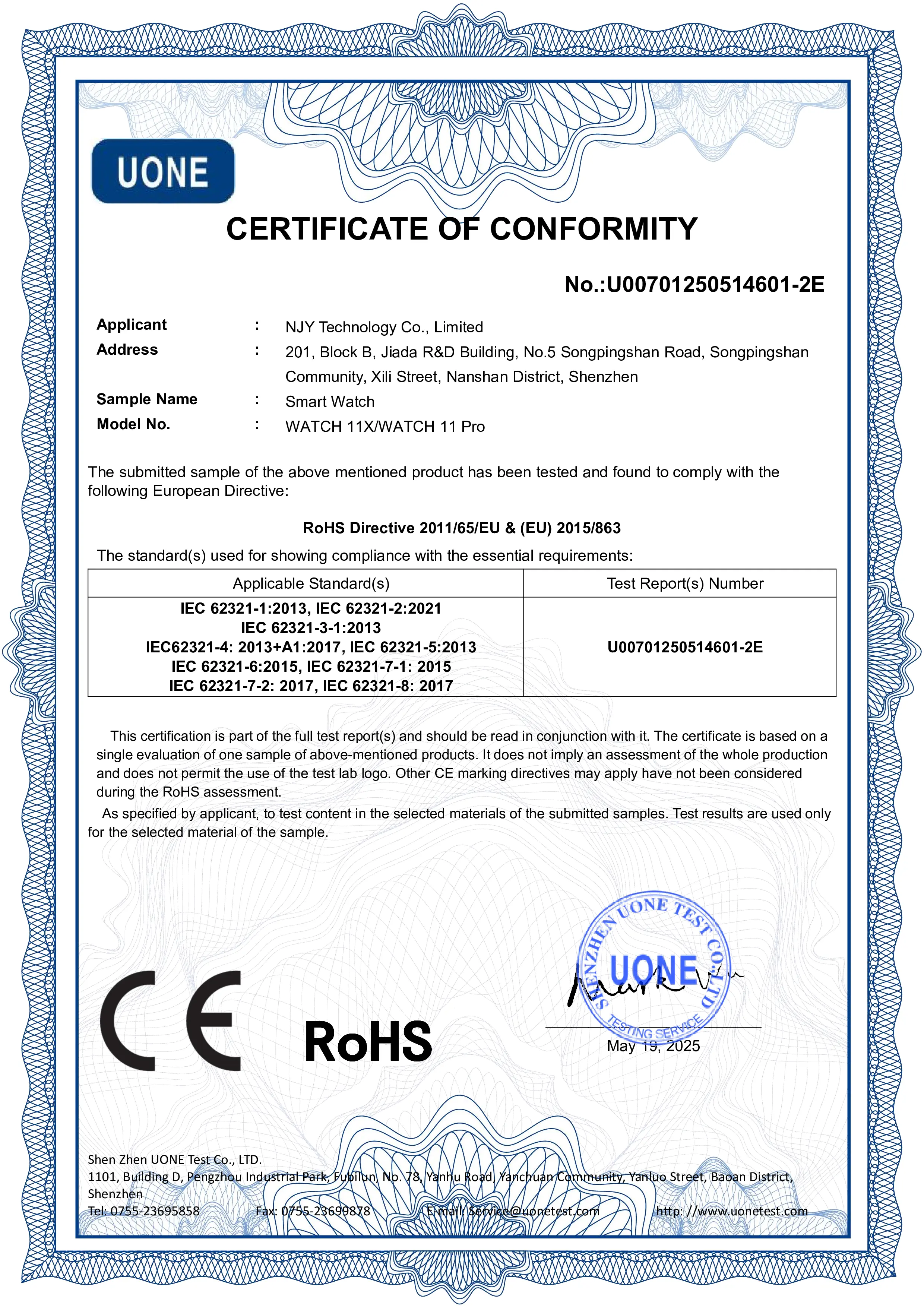
International Quality Audits & Export Compliance

OEM / ODM Technical Verification
Evaluating high-grade GPS sports smartwatches requires transparent engineering metrics. Discover the verified operational capacity and RF test protocols driving Shenzhen Tucks Technology Co., Ltd.
Smart wearable engineering heritage since 2008
High-speed Yamaha/Panasonic cleanroom SMT
Annual sports wearable manufacturing volume
Low-barrier production MOQ for brand builders
For international procurement directors, distributor networks, and fitness technology brands, procuring a dependable GPS sports smartwatch means avoiding common supply chain traps: unreliable white-label assemblies that drop satellite signals under dense tree canopy, compromised water seals during open-water swims, and unoptimized firmware that drains batteries in under three hours of tracking.
At Shenzhen Tucks Technology Co., Ltd., we maintain full architectural ownership. Our engineering division controls the complete hardware stack—from multi-layer HDI motherboard PCB layout and custom ceramic patch antenna simulation to 5ATM waterproof pressure chamber testing and custom sports biomechanical algorithm tuning.
Every OEM/ODM project follows standardized APQP (Advanced Product Quality Planning) methodologies: comprehensive component traceability, cold/hot start Time-To-First-Fix (TTFF) validation, RF signal power benchmarking, and automated optical inspections before final encapsulation.
Verified by Shenzhen Tucks Technology Co., Ltd. Hardware Quality Assurance & RF Division · Shenzhen, China
| Evaluation Vector | Factory Standards & Capabilities |
|---|---|
| Corporate Identity | Shenzhen Tucks Technology Co., Ltd. (Shenzhen, China) |
| Manufacturing Footprint | 8 SMT High-Speed Cleanroom Lines, 200+ Trained Technicians |
| Positioning Hardware | Dual-Frequency L1+L5 & Single-Frequency Multi-GNSS (Airoha / Broadcom) |
| Antenna Integration | LDS (Laser Direct Structuring) & High-Gain 3D Ceramic Patch Antennas |
| Waterproof Ratings | IP68, 3ATM, and 5ATM (50-Meter Dynamic Hydrostatic Testing) |
| Production Throughput | 2,000,000+ Finished Wearable Units Annually |
| Prototyping Lead Time | Functional Brand Samples in 7 Business Days |
| Mass Run Lead Time | 15 to 25 Working Days (Component Locked) |
| Export Certifications | ISO9001:2015, CE RED, FCC-ID, RoHS, REACH, BQB Bluetooth SIG |
| Customization Scope | Custom Mold Tooling, Bezel Finishing, OS UI, SDK/API, Retail Packaging |
Enterprise Value Proposition
Eliminate supply chain volatility and firmware bugs. We provide structural advantages engineered for long-term category leaders.
Our RF engineers isolate antenna elements from battery and display noise using multi-axis 3D simulation, yielding industry-leading TRP and sub-second signal lock.
Every batch undergoes 5ATM pressure testing, thermal shock cycles (-20°C to 60°C), salt-spray corrosion tests, and drop impact simulation built to MIL-STD-810H standards.
Gain access to our native cross-platform mobile apps, proprietary running dynamics algorithms, heart-rate variability (HRV) metrics, and secure AWS/Azure cloud endpoints.
Starting at just 200 pcs, our flexible assembly lines empower boutique sports labels, corporate fitness suppliers, and retail giants to validate and scale without dead stock.
Factory Recommendations
Field-tested hardware platforms with mature firmware baselines—customizable with your brand aesthetic, custom packaging, and specific localized sensor payloads.
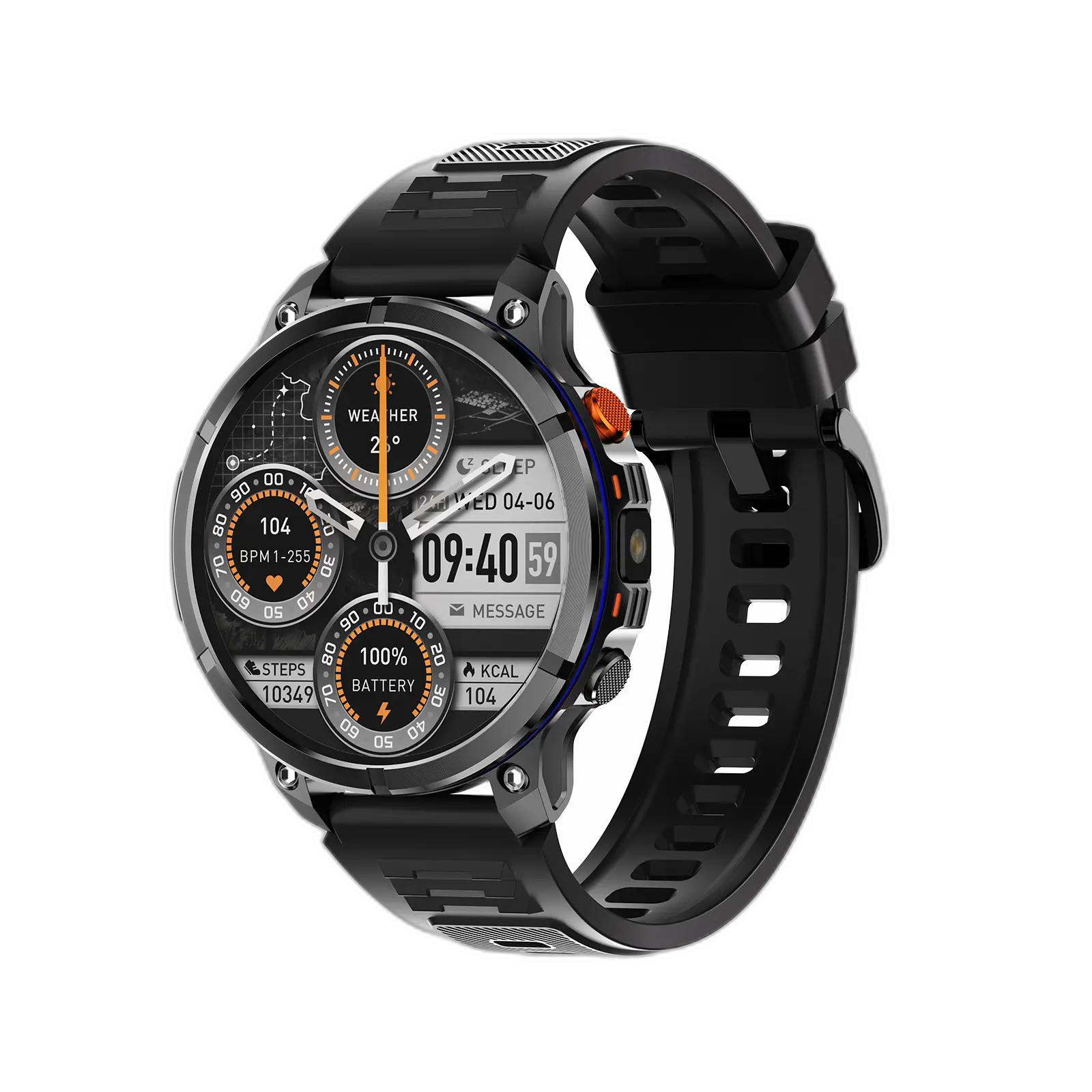
Engineered for trail runners and mountaineers requiring breadcrumb navigation, elevation profiles, and rugged impact resistance.
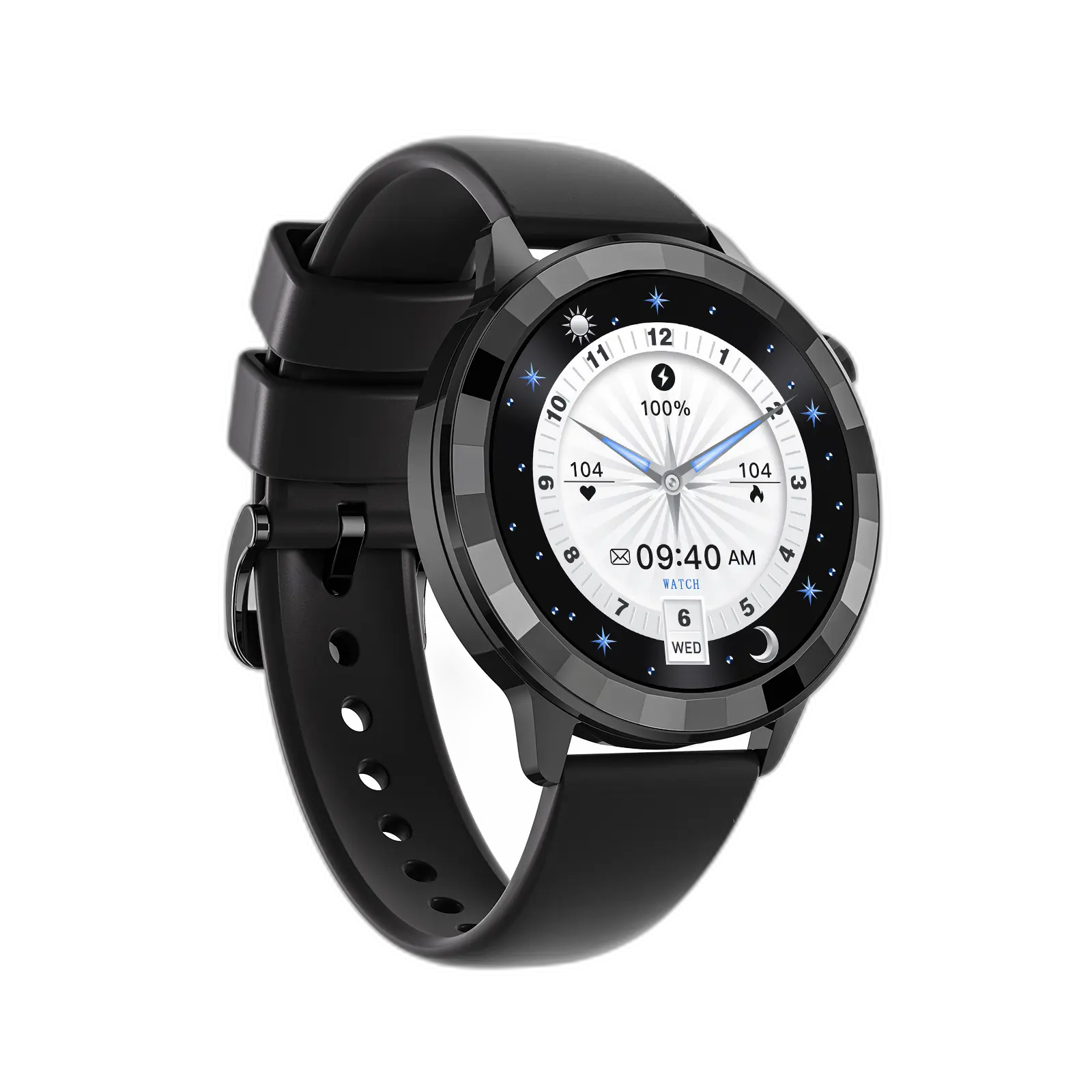
Ultralight composite chassis tuned for road running metrics, VO2 Max calculation, pace pacing guidance, and rapid GPS lock.
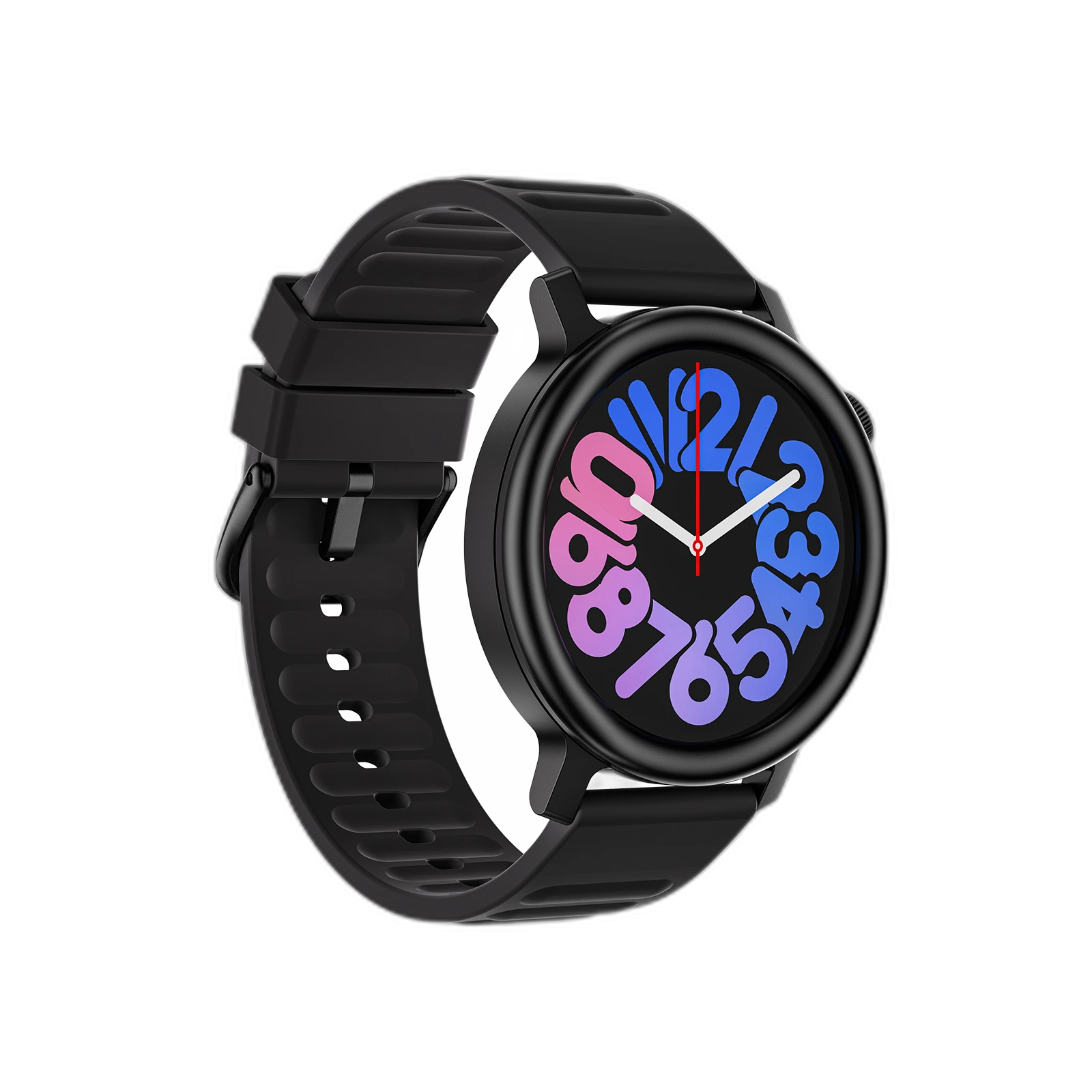
Classic circular zinc-alloy bezel housing multi-constellation satellite tracking, 3-axis compass, and barometric storm alerts.
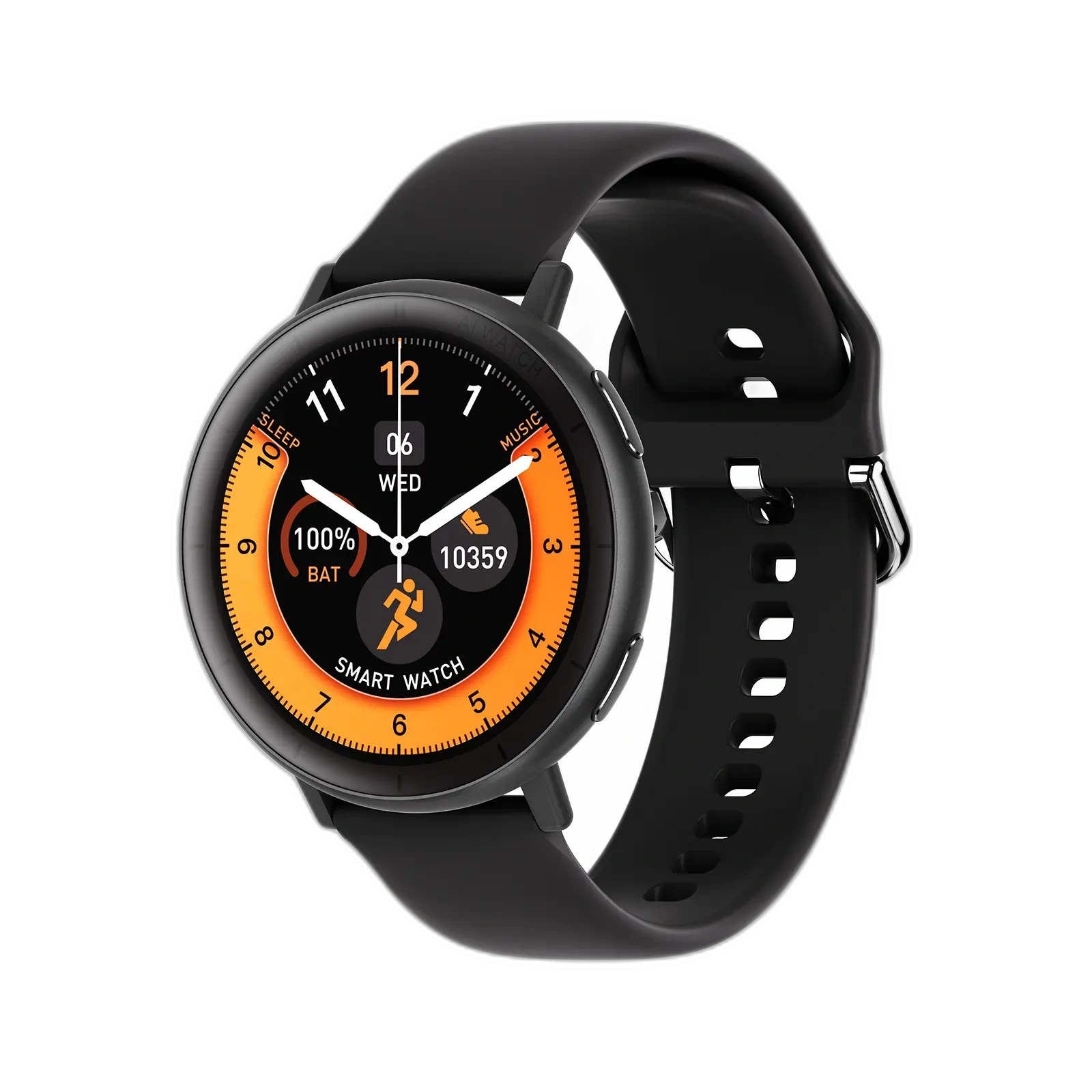
Balanced urban-to-trail GPS tracking with dual Bluetooth calling, voice assistants, and comprehensive daily fitness analytics.
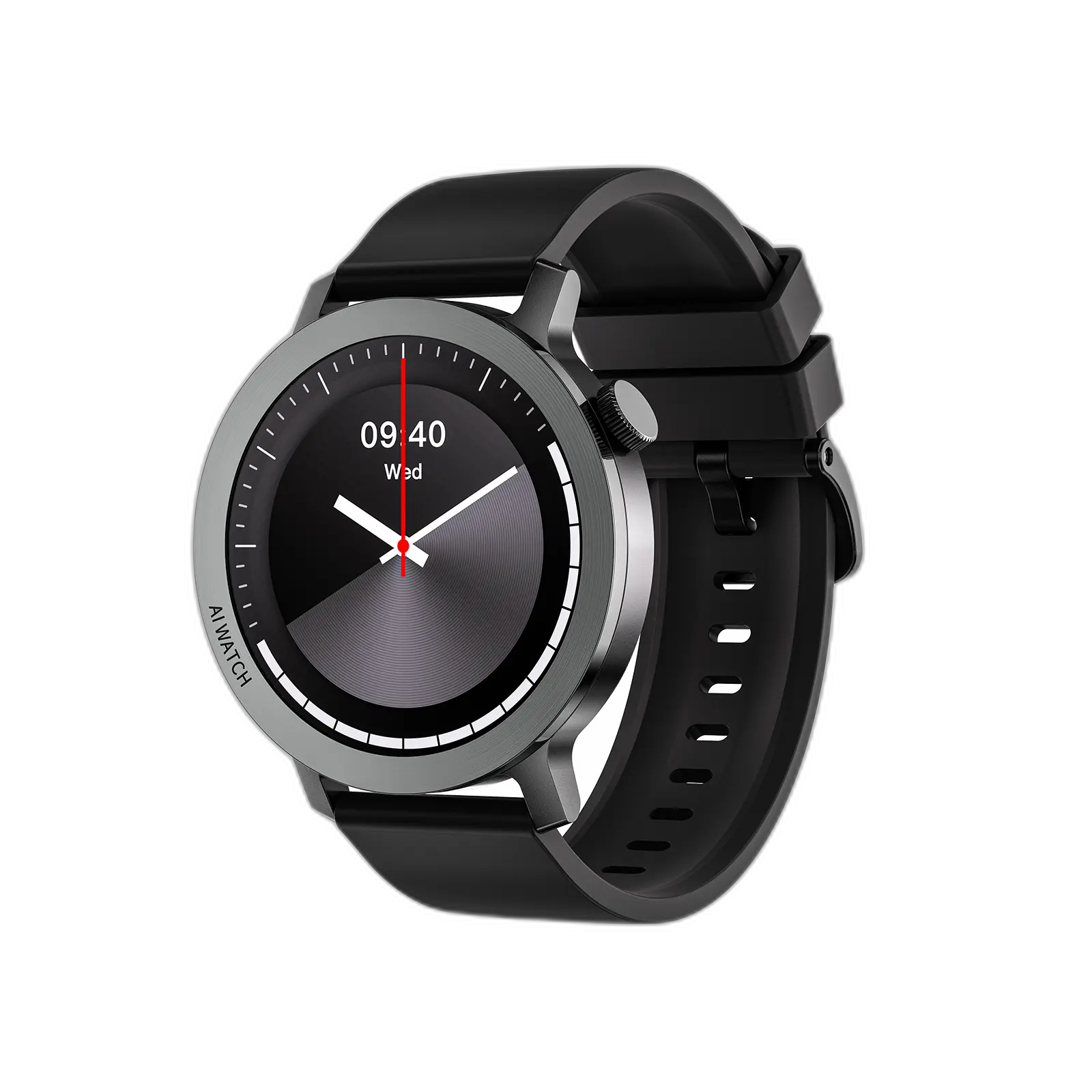
Sleek, featherweight form factor suited for fitness clubs, gym membership ecosystems, and entry-tier corporate wellness initiatives.
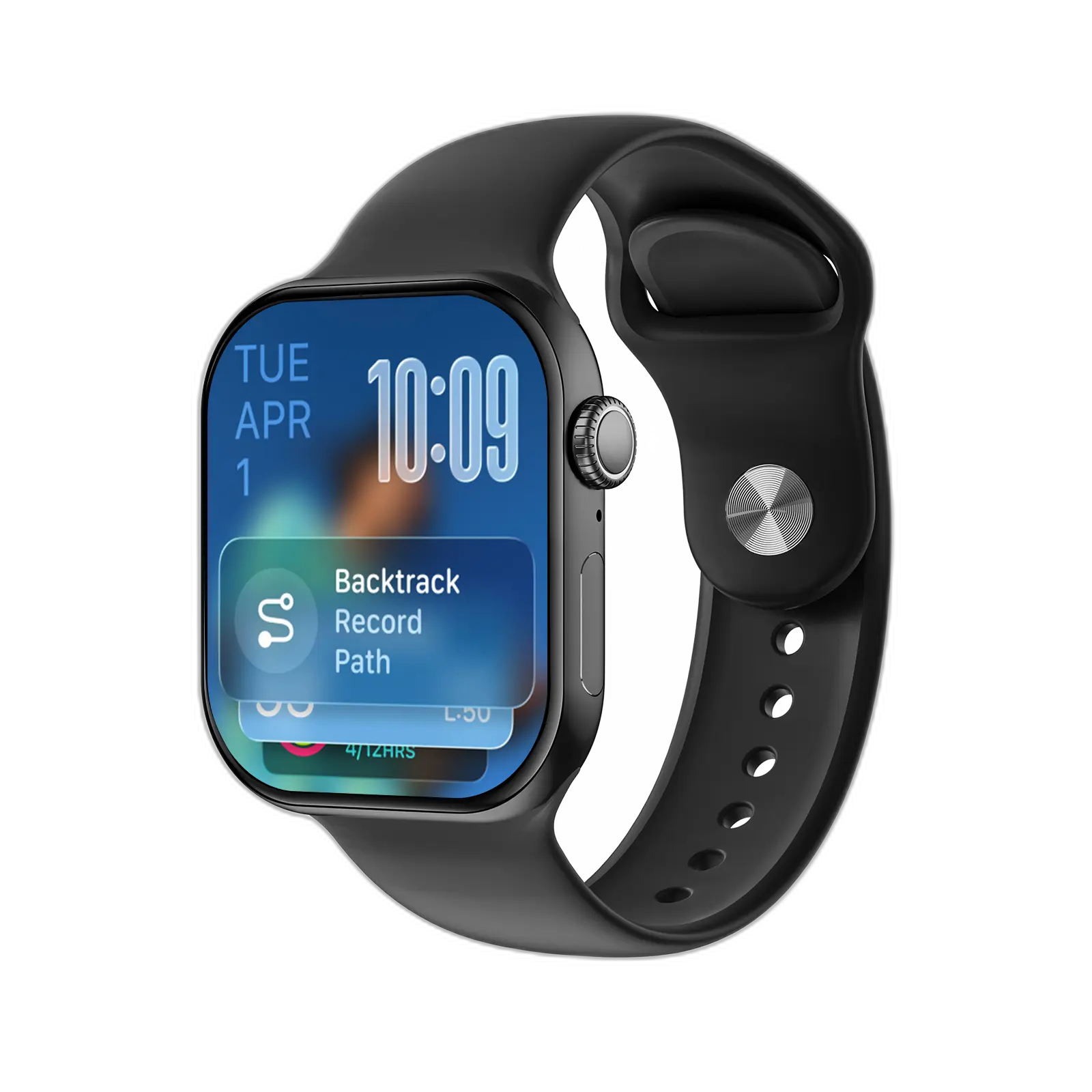
Aerospace aluminum casing matching high-definition AMOLED vibrancy with 3ATM water resistance and sports biometric accuracy.
Compare silicon architectures, waterproofing thresholds, and positioning protocols across our OEM platform portfolio.
| Model | GNSS Positioning | Display Tech | Water Rating | Continuous GPS Battery | Target Channel |
|---|---|---|---|---|---|
| Explorer Pro | Dual-Band (L1+L5) Multi-GNSS | 1.45" Reflective HD (AOD) | 5ATM (50 Meters) | Up to 32 Hours | Outdoor Adventure, Trail Running, Military/Tactical |
| Watch Ai 5 | A-GPS / High-Gain GNSS | 2.0" Ultra AMOLED 1000 nits | IP68 / 3ATM | Up to 22 Hours | Competitive Road Marathons, Triathlons, Commercial Fitness |
| MA35 Pro | GPS + GLONASS + BeiDou | 1.51" IPS Anti-Glare | IP68 Waterproof | Up to 20 Hours | Hiking, Trekking, Rugged Lifestyle Electronics |
| Watch Ai 4 | High-Precision GNSS Receiver | 2.0" Curved AMOLED | IP68 Daily Ingress | Up to 18 Hours | Lifestyle Athletics, Connected Runners, Corporate Wellness |
| W12 Pro | Assisted Multi-Constellation | 2.07" Flexible AMOLED | 3ATM Submersion | Up to 24 Hours | Premium Executive Fitness, Luxury Sport Gifting |
Strategic Sourcing Intelligence
Global procurement teams are navigating rapid architectural transformations in the smart sports hardware segment. As generative AI reshapes consumer expectations and strict international climate policies redefine component sourcing, hardware buyers must align with manufacturers that anticipate regulatory shifts and technical evolutions.
Single-frequency L1 GPS is no longer sufficient for serious athletic demographics. Professional runners, mountaineers, and cyclists demand millimeter-accurate route lines without multipath distortion caused by high-rise buildings, cliff faces, or dense foliage. Procurement departments are mandating dual-frequency L1+L5 chipsets across all mid-to-high-tier sports lines. This transition provides instant satellite acquisition and sub-meter positioning accuracy, creating substantial competitive differentiation against budget single-band competitors.
The European Union's upcoming battery passport initiatives and sustainable electronics directives are transforming wearable procurement. Retail brands in Europe and North America now require verified declarations of carbon footprints, non-hazardous assembly certifications under RoHS/REACH, and battery structures designed for safe recycling. Shenzhen Tucks Technology Co., Ltd. builds with non-toxic cobalt-free battery chemistries and modular internal brackets, ensuring compliance across tier-one European retail audits.
Enterprise buyers and healthcare organizations are increasingly cautious regarding consumer data privacy regulations like GDPR and CCPA. Rather than relying on generic third-party servers, procurement teams favor OEM manufacturers that supply open RESTful API endpoints and raw Bluetooth packet structures. This allows brands to transmit biometric telemetry—heart rate variability, continuous GPS tracks, skin temperature—directly into their private, encrypted corporate server clouds.
Smart audio wearables and GPS wrist electronics are converging. Sports enthusiasts look to reduce pocket bulk by connecting lightweight GPS sports smartwatches with Bluetooth-enabled smart glasses or bone-conduction earbuds directly, eliminating the need to carry heavy smartphones during endurance runs. Sourcing partners that develop both product classes under one factory roof simplify engineering compatibility and streamline supplier management.
Engineering Roadmap
From 12nm ultra-low-power silicon to edge machine-learning biomechanics, discover the engineering paradigms setting tomorrow's performance standards.
Next-gen GNSS basebands built on 12nm FinFET fabrication cut operational current draw below 8mA during active satellite locks, enabling multi-day expedition recording without recharging.
By integrating RF antennas directly onto outer ceramic, titanium, or polycarbonate watch bezels using 3D Laser Direct Structuring, we eliminate signal dampening from human wrist proximity.
Micro-controller embedded neural engines process 6-axis IMU accelerometer curves locally, outputting stride length, ground contact time, running balance, and VO2 Max without smartphone roundtrips.
Custom-tuned AMOLED panels combined with anti-reflective sapphire crystal glass guarantee total chromatic legibility under direct, harsh desert sunlight while maintaining ultra-efficient refresh rates.
Procurement FAQ
Clear, data-driven answers to the technical, operational, and commercial questions sourcing agents frequently ask our engineering team.
In the smart wearable sector, selecting a competent manufacturing partner for a GPS sports smartwatch line requires thorough engineering evaluation. Consumer dissatisfaction in this category is rarely caused by external housing appearance; it almost always stems from internal hardware shortcomings: erratic GPS track drift, poor satellite Time-To-First-Fix (TTFF), inaccurate optical heart rate readings during vigorous cadence, and moisture ingress from thermal temperature cycling. International procurement managers must examine four fundamental manufacturing dimensions before committing capital.
Trading brokers and small assemblers frequently outsource motherboard Surface Mount Technology (SMT) to third-party low-cost workshops. This fragmented workflow introduces soldering defects, micro-fractures on fragile ceramic antenna elements, and uncontrolled static discharge. Shenzhen Tucks Technology Co., Ltd. operates 8 high-speed SMT cleanroom lines equipped with automated 3D SPI (Solder Paste Inspection) and AOI (Automated Optical Inspection). Producing over 2,000,000 units annually, our in-house control guarantees that every HDI board conforms to IPC Class 2 electronics manufacturing standards.
High satellite sensitivity is what separates elite GPS sports watches from generic step counters. When a runner rounds a corner under dense tree cover or towering city buildings, satellite signal attenuation can exceed 20 to 30 dB. Quality manufacturers do not rely on standard field runs alone; they utilize 3D spherical anechoic chambers with head-and-torso simulators (HATS) to map Total Radiated Power (TRP) and Total Isotropic Sensitivity (TIS). At Shenzhen Tucks Technology Co., Ltd., our engineering threshold requires a tracking sensitivity better than -162 dBm, preventing trajectory dropouts during fast-paced competition.
A true GPS sports watch synchronizes satellite location with biological telemetry to calculate training strain, EPOC, and VO2 Max. This requires multispectral optical PPG sensors operating alongside 6-axis inertial measurement units (accelerometer + gyroscope). Our internal algorithm engineers build dynamic noise-filtering software that neutralizes arm-swing motion artifacts, delivering heart rate tracking accuracy within ±3 bpm of medical chest-strap monitors.
Turnkey OEM success relies on complete firmware ownership. When sourcing a white-label sports smartwatch, ensure your supplier has the engineering authority to optimize boot animations, customize regional language glyphs, refine GPS polling algorithms, and update BLE protocol stacks. Shenzhen Tucks Technology Co., Ltd. supplies full firmware customization backed by stable OTA (Over-The-Air) firmware update infrastructure, safeguarding your brand reputation against post-launch bugs.
Whether you are expanding an athletic apparel label into smart hardware, deploying rugged wearable equipment for tactical forestry teams, or establishing an enterprise corporate wellness initiative, our direct factory infrastructure provides the reliability you need. Connect with our OEM technical team to receive custom BOM quotes and technical documentation within 24 business hours.