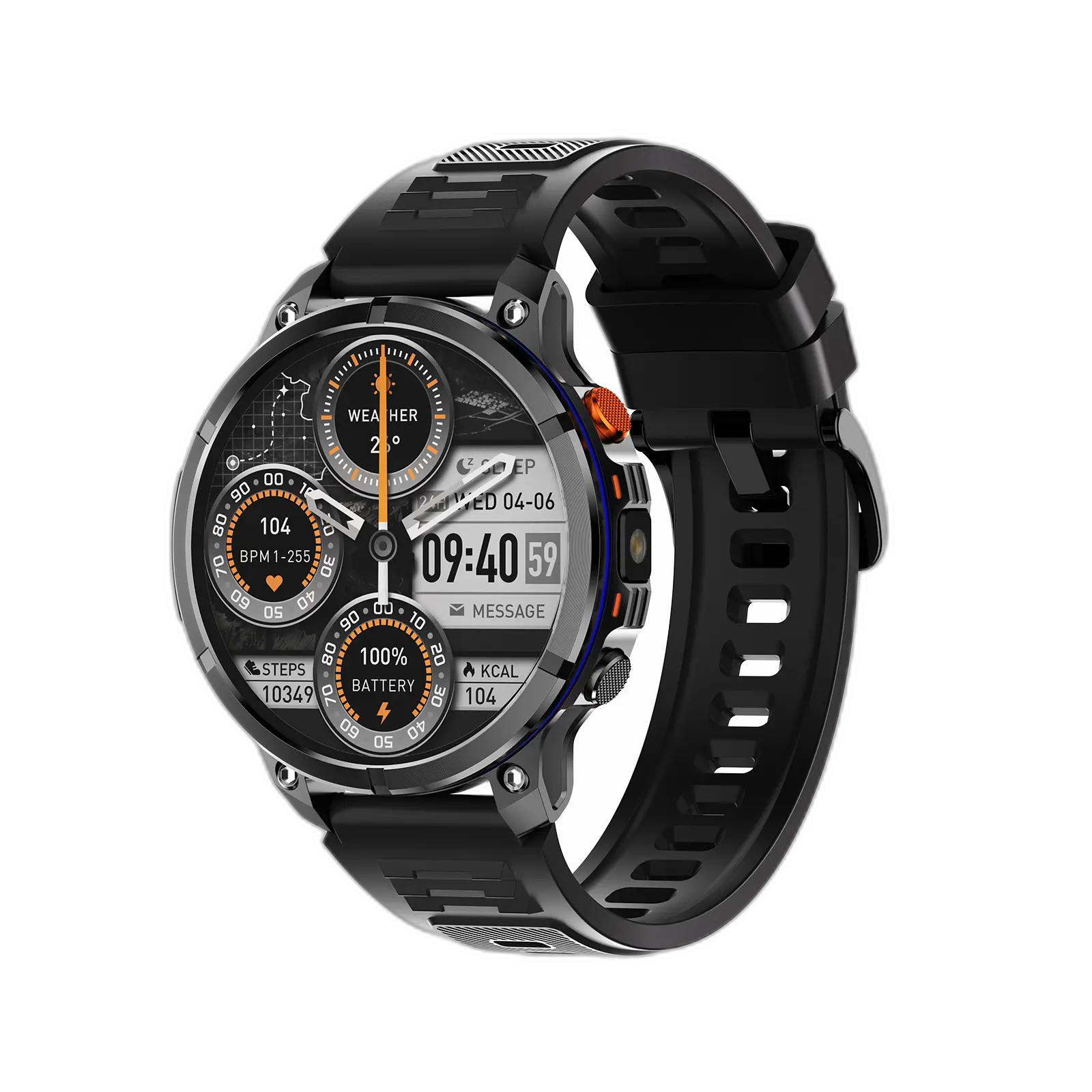
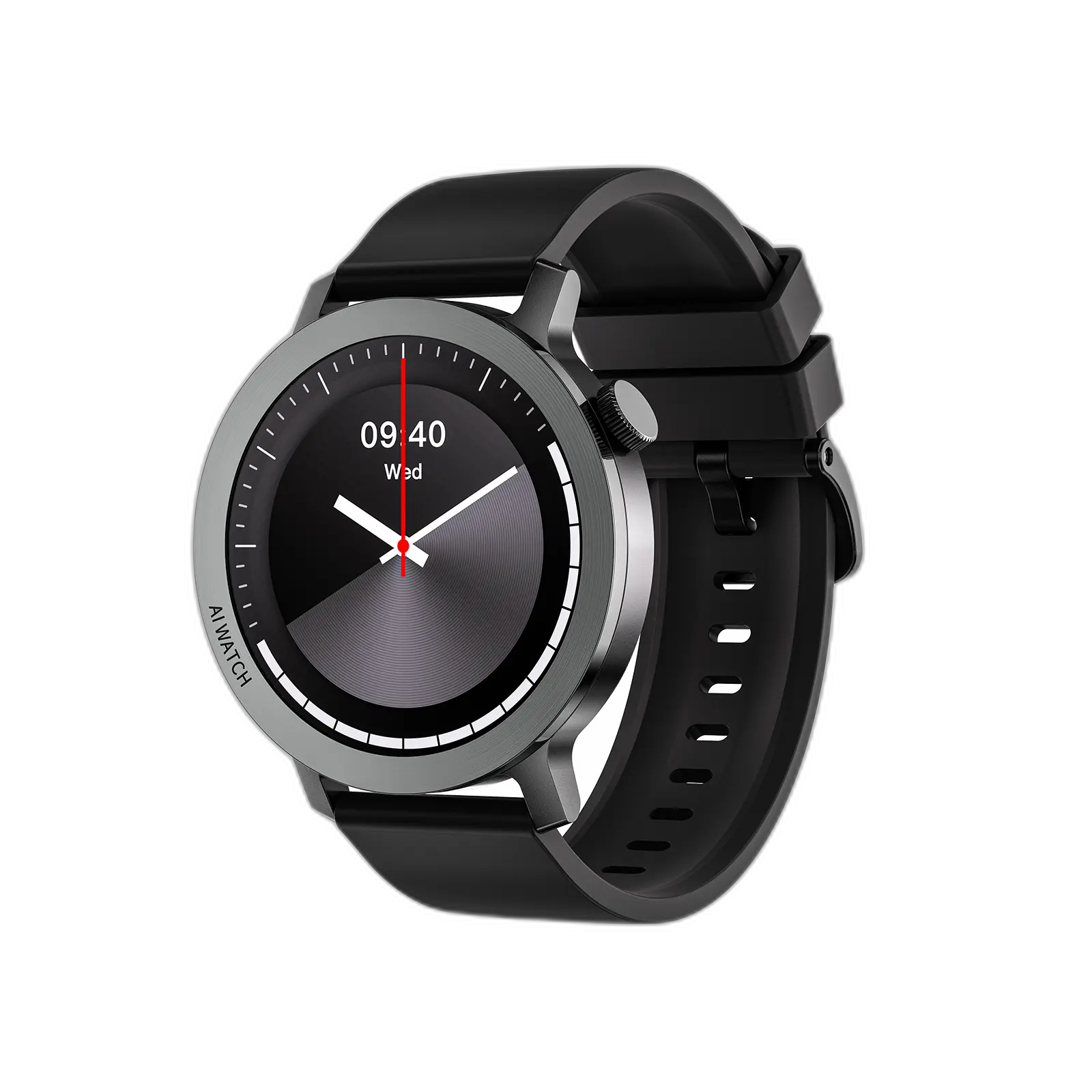
Sourcing Guide: Key Compliance Factors When Importing Kids Smartwatches
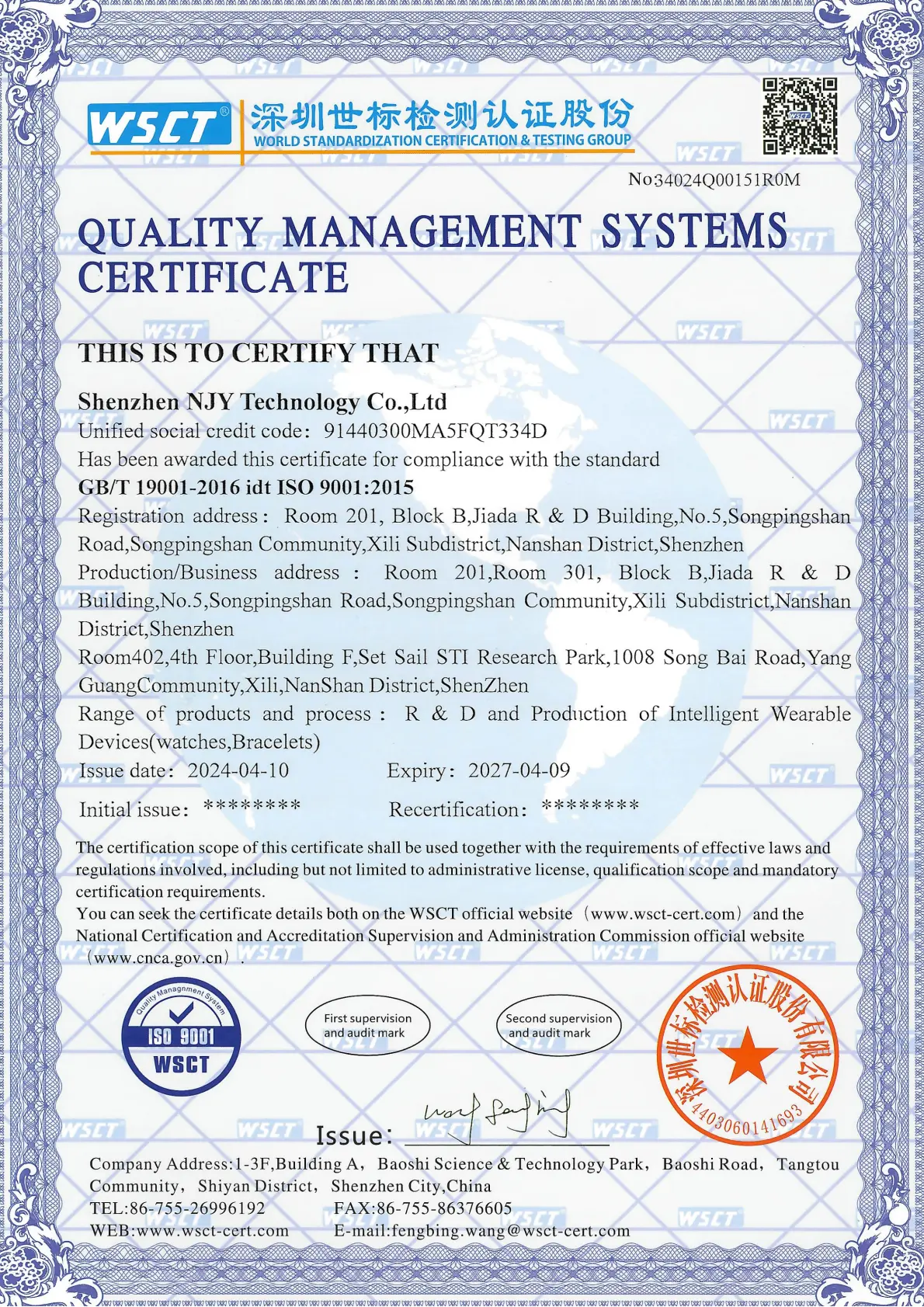
Purchasing children's electronic wearables from China requires far stricter regulatory rigor than adult consumer smart bands. Overseas distributors, educational partners, and consumer brands must scrutinize material biocompatibility, network certifications, battery safety, and minor privacy regulations before signing production agreements with a kids smartwatch manufacturer.
1. Material Toxicology & Biocompatibility Verification
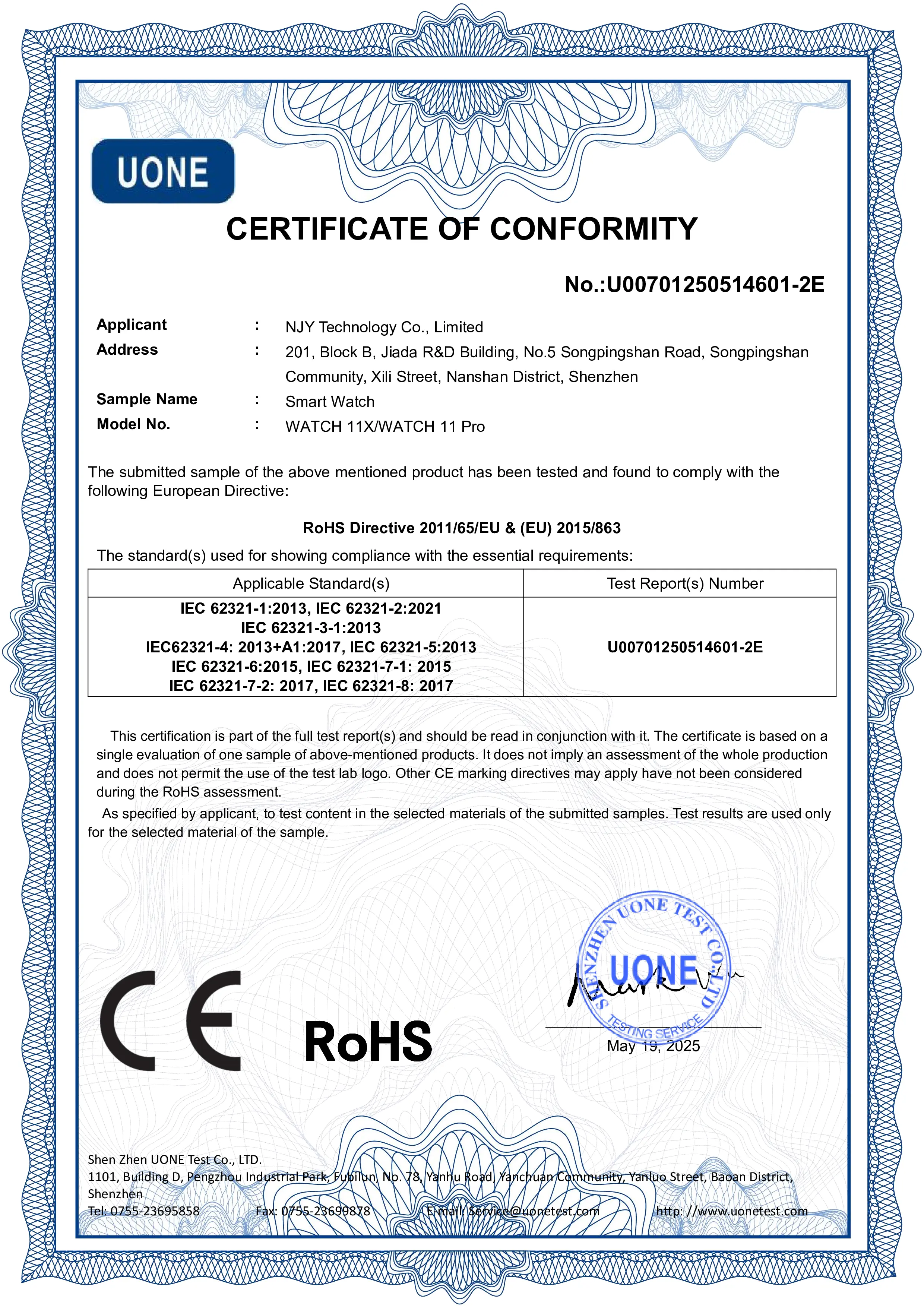
Young children have sensitive epidermis prone to chemical burns from non-compliant plastics or heavy plasticizers. Shenzhen Tucks Technology Co., Ltd. enforces strict testing protocols ensuring all raw strap silicone and outer ABS resins adhere to EN 71-3 (Migration of certain elements), US CPSIA (Consumer Product Safety Improvement Act), and EU REACH Annex XVII restrictions on phthalates, cadmium, and nickel release.
2. Global 4G Cellular Bands & RF SAR Testing
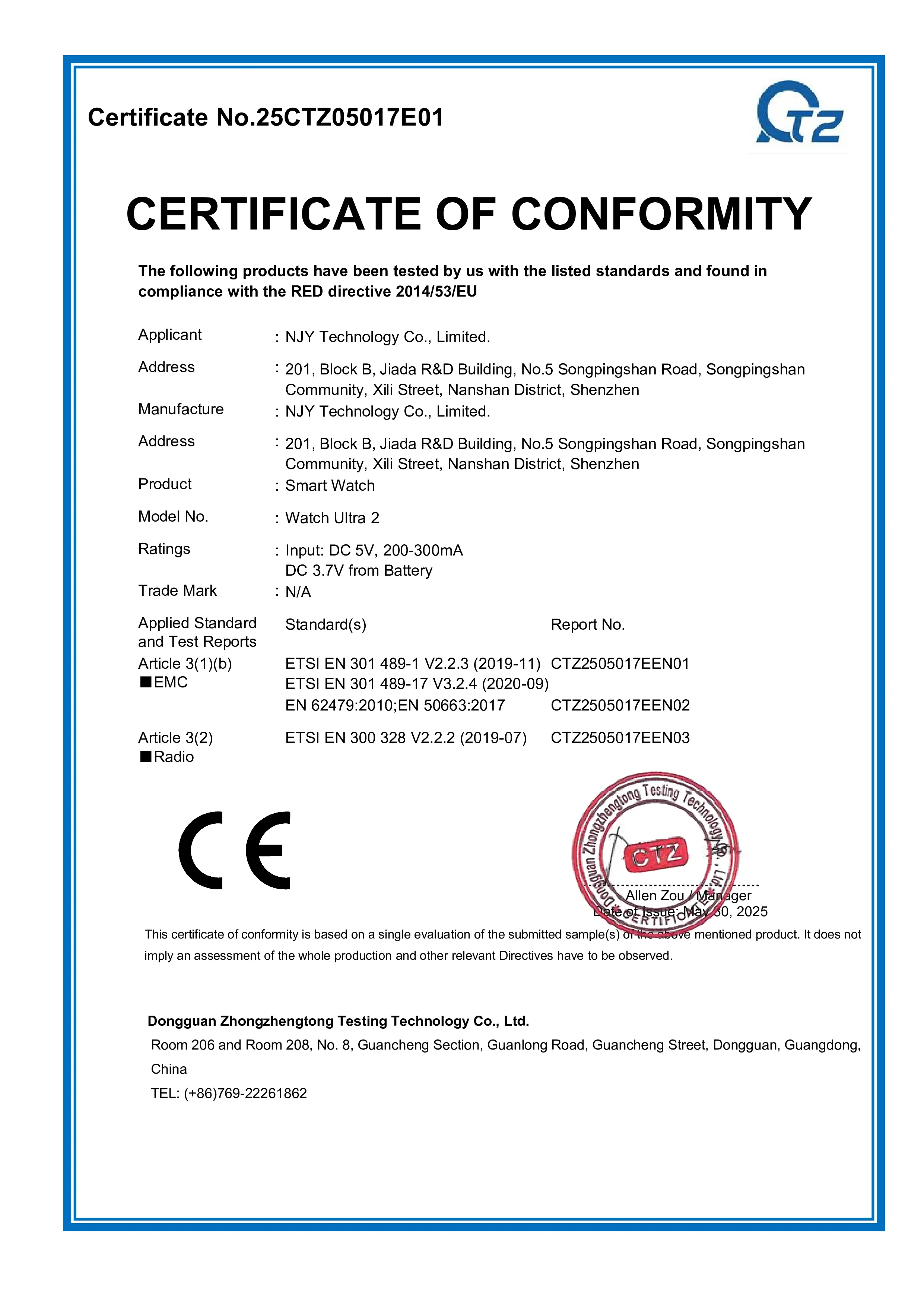
Unlike standard Bluetooth accessories, cellular kids smartwatches operate RF transmitter modules situated in close proximity to a child's body. Our OEM platforms undergo specific absorption rate (SAR) tuning to ensure electromagnetic emission levels remain well beneath EU CE (2.0 W/kg) and US FCC (1.6 W/kg) thresholds across regional bands across Europe, North America, LATAM, and APAC telecom networks.
3. Lithium-Polymer Battery Safe Architecture
Battery safety is paramount in juvenile electronics. We exclusively integrate lithium-cobalt or lithium-polymer cells protected by dual-stage internal IC circuitry preventing overcharge, excessive draw, and short circuits. Every production batch is certified under UN38.3 for air transport, alongside IEC 62133 battery safety evaluation.
4. COPPA & GDPR Child Data Privacy Protocols
Hardware and cloud server telemetry must protect child geolocation data against unauthorized interception. Our firmware supports AES-256 communication encryption between the wearable and cloud backend, allowing brand partners to pass strict audits under the Children's Online Privacy Protection Act (COPPA) in the United States and General Data Protection Regulation (GDPR) in the European Union.