AI Audio / SDK
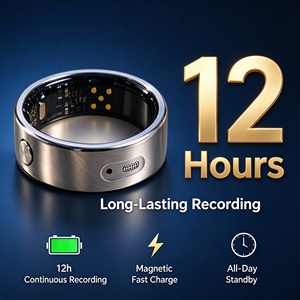
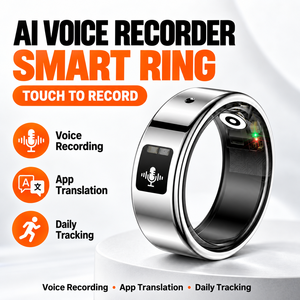
Custom AI Voice Recorder Smart Ring 12H Ultra-Long Recording
12H Direct Audio
SDK Support
AI Noise Cancel
OEM/ODM Precision Optical Waveguides, Integrated Sensor Hubs & Complete Micro-Display Engineering from Shenzhen's Premier Wearable Technology Factory
Explore production-ready platforms complete with proprietary SDK toolkits, low-power Nordic/Qualcomm microprocessors, and custom industrial firmware pipelines.
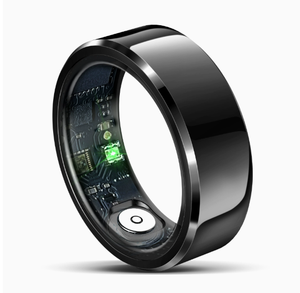
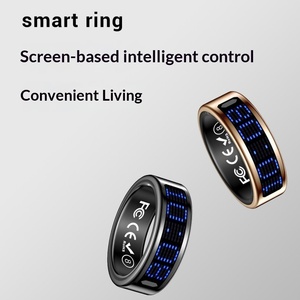
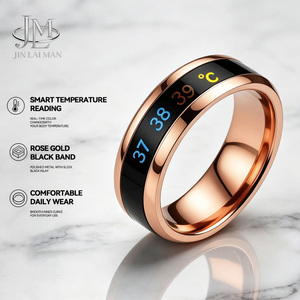
The commercial landscape of spatial computing and augmented vision is experiencing a structural migration from passive smart audio eyewear to AI glasses with integrated displays. In global procurement channels across North America, Europe, and the APAC region, Tier-1 consumer electronic brands, enterprise field-servicing companies, and private-label distributors are no longer seeking simple Bluetooth peripheral devices. Instead, the B2B supply chain is concentrating demand around sub-50g aesthetic frames equipped with high-luminance optical waveguides, conversational large language model (LLM) edge computing, and real-time heads-up micro-displays.
Procurement directors and product architects face substantial hurdles: balancing micro-display nit brightness against thermal throttling, managing high-drain Wi-Fi/cellular radio power envelopes, and ensuring seamless API middleware for conversational intelligence. China has firmly consolidated its position as the singular global epicenter capable of resolving these architectural trade-offs, anchored by Shenzhen's precision component supply chain, automated surface-mount technology (SMT) infrastructure, and advanced micro-optical cleanroom environments.
Global procurement is shifting definitively from bulky BirdBath optics to surface relief diffraction (SRG) optical waveguides powered by monochrome green or full-color MicroLED micro-displays, yielding over 3,000 nits of outdoor eye-level brightness at under 0.3cc engine volume.
Buyers now mandate native dual-microphone environmental noise suppression (ENC) paired with ultra-low-latency BLE 5.4 streaming directly into OpenAI, Claude, or customized enterprise edge models, enabling instantaneous display translation and contextual guidance.
Modern regulatory regimes (EU GDPR, US HIPAA) require enterprise-grade firmware with hardware cryptoprocessors embedded directly within the temple printed circuit boards (PCBs), safeguarding video streams and optical notification data against unauthorized interception.
As a dominant China export partner, our manufacturing operations systematically eliminate the failure modes typical of early-stage smart glass assemblies: optical rainbow distortion, rapid thermal battery shutdown, and high warranty claims on temple hinges. By uniting precision optical bonding with automated ISO9001:2015 production lines, we provide an institutional-grade launchpad for international hardware vendors.
| Display & Optical Engine | Typical Luminance | Transparency % | Frame Weight Impact | OEM Target Deployment |
|---|---|---|---|---|
| Diffractive Waveguide + MicroLED | 1,500 – 4,000+ Nits | >88% Clear | 18g – 24g Engine | All-Day Consumer Wear, Field Navigation, Teleprompter |
| Reflective Waveguide + Micro-OLED | 800 – 1,800 Nits | ~75% Translucent | 28g – 35g Engine | Industrial Training, Remote Video Assistance, Translation |
| BirdBath + Full HD OLED Panel | 400 – 700 Nits | <35% Shaded | 65g – 85g Bulky | Stationary Virtual Cinema, Immersive Gaming Peripherals |
| Micro-Projector Side HUD | 1,000 – 2,500 Nits | Variable Field | 22g – 30g Modular | Cycling HUD, Logistics Barcode Sorting, Warehouse Ops |
The development trajectory of AI smart eyewear is tracking three irrevocable milestones. First, optical engine miniaturization is projected to drop below 0.15 cubic centimeters, allowing diffractive optical elements to be laminated directly inside conventional prescription lenses without creating noticeable facial bulk. Second, gaze-contingent edge computation paired with dual-sensor biometric tracking (such as temporal artery pulse and peripheral photoplethysmography) will blur the line between biometric tracking rings, smart bands, and display eyewear. By syncing real-time vital metrics directly into the user's peripheral heads-up display, the system enables immediate cognitive stress and fatigue alerts.
Finally, the unification of multi-device peripheral networks—such as linking our sub-5-gram smart rings as low-latency six-axis inertial gesture controllers with AI display glasses—will remove the need for socially awkward tactile tapping on frame temples. Sourcing teams that establish engineering supply partnerships today will maintain an insurmountable first-mover advantage as retail wearable markets converge.
Shenzhen Tucks Technology Co., Ltd. combines fifteen years of micro-assembly heritage with high-throughput SMT capacity to eliminate supply chain fragility.
8 active Panasonic high-speed SMT lines and over 2,000,000 units of annual wearable throughput safeguard your delivery schedules during major commercial surges.
From Incoming Quality Control (IQC) through cleanroom optical calibration, high-temperature battery stress testing, and outgoing MIL-STD AQL checks.
Custom PCB layout, laser housing etching, optical glass prescription integration, multilingual companion apps, and full white-label packaging.
Flexible evaluation batches starting from 200 units, accelerated 7-day engineering samples, and dedicated firmware support reduce overseas time-to-revenue.
Essential guidance on regulatory compliance, micro-display yields, and OEM operational contracts.
Standard mass production begins at 200 units per model for existing industrial chassis. For custom optical waveguide tooling, bespoke magnesium-aluminum frames, or proprietary injection molds, tooling minimums generally start at 1,000 to 2,000 units, supported by modular functional prototype runs within 14 business days.
We incorporate cutting-edge MicroLED light engines paired with holographic diffractive optical waveguides that deliver up to 3,500 nits of luminance directly to the pupil exit pupil box. This ensures full data legibility in high-ambient sunlight conditions (50,000+ Lux), far surpassing older micro-OLED configurations.
Every product lot leaving our facility ships with accredited CE, FCC, RoHS, and UN38.3 lithium battery transport test reports. Furthermore, we assist enterprise clients in securing regional telecommunication approvals including BQB, SRRC, and specialized FDA Class I medical registrations for prescription vision inserts.
Yes. We furnish comprehensive Android and iOS SDKs, Bluetooth communication protocols, raw IMU telemetry data streams, and micro-display frame buffer controls. This empowers our OEM partners to integrate their own AI LLM endpoints, custom user interfaces, and cloud-side translation services seamlessly.
Connect directly with our senior hardware architects in Shenzhen. Review CAD documentation, inspect optical samples, and receive a binding engineering quotation within 24 hours.