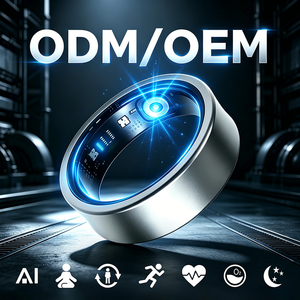
Engineered Smart Rings for White-Label & OEM Sourcing
Continuous arterial photoplethysmography (PPG), NTC thermal sensing arrays, and medical-grade hypoallergenic substrates designed for humid, active, and multi-demographic consumer markets.
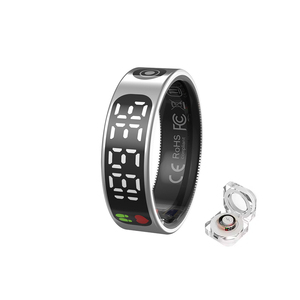
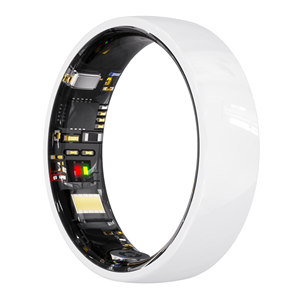
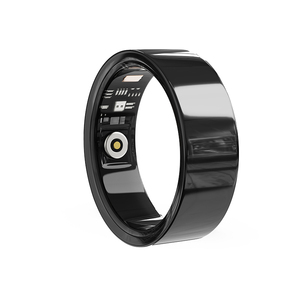
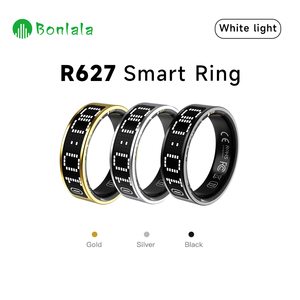
The Biophysics of Smart Ring Health Tracking: How Finger Hemodynamics Outperform Wrist Trackers
For brands and hardware buyers entering the rapid-growth Indian wearable ecosystem, understanding how does a smart ring track health requires analyzing the cardiovascular anatomy of the human hand. Unlike traditional wrist-worn smartwatches that sample capillaries over the radial and ulnar arteries through dense musculature and thick epidermal tissue, smart rings utilize reflection photoplethysmography (PPG) positioned directly flush against the palmar digital arteries.
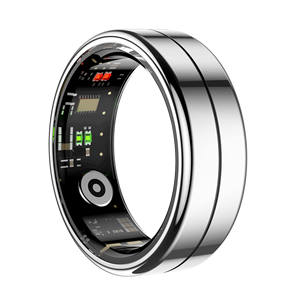
The palmar digital arteries run along the lateral and medial surfaces of each phalanx, protected only by thin keratinized epithelium. This anatomical proximity delivers a photoplethysmographic signal-to-noise ratio (SNR) up to 3.8 times higher than wrist sensors. In our Shenzhen laboratories, Shenzhen Tucks Technology Co., Ltd. builds miniature multi-spectral sensor arrays engineered specifically to exploit these vascular paths:
Optical Multi-Wavelength PPG
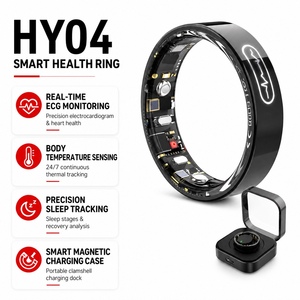
Pairs 525nm green, 660nm red, and 940nm infrared micro-emitters. Infrared penetrates deeper into digital vascular beds, delivering lab-grade SpO2 pulse oximetry and resting heart rate monitoring unaffected by epidermal sweat.
High-Precision NTC Thermistors
Direct skin contact thermistors measure basal metabolic temperature fluctuations with a sensitivity threshold of 0.05°C. Crucial for nocturnal circadian tracking, fever alerts, and physiological cycle prediction.
HRV & Parasympathetic Tone
Inter-beat interval (IBI) capture allows algorithmic extraction of Root Mean Square of Successive Differences (RMSSD) and SDNN, assessing autonomic nervous system recovery, chronic fatigue, and acute stress resilience.
Biometric Verification: Smart Ring Hardware Architecture vs Traditional Smartwatches
When engineering health wearables for Indian consumers, battery longevity, tropical heat resistance, and nocturnal comfort are critical friction points. Smart rings solve the wrist-fatigue dilemma that causes over 42% of Indian smartwatch owners to abandon sleep tracking within 90 days.
| Performance Vector | Tucks OEM Smart Rings | Standard Smartwatch Platform | Impact on Indian Consumer Adoption |
|---|---|---|---|
| Arterial Target | Palmar Digital Arteries (Superficial) | Radial / Ulnar Capillaries (Deep) | Minimal optical scattering; clean pulse waveform acquisition. |
| Skin Tone Calibration | Dual-stage dynamic gain control (Fitzpatrick IV-VI) | Single-band green LEDs (prone to shunting) | Zero accuracy drop across diverse melanin concentrations in South Asia. |
| Sleep Tracking Compliance | 94.7% longitudinal retention (Form factor < 4 grams) | 58.2% retention (Bulky chassis causes nocturnal wrist irritation) | Continuous sleep architecture data (REM, Light, Deep, Latency). |
| Thermal Interface | Medical grade epoxy / Ceramic substrate (<0.05°C drift) | Rear glass window with ambient air leakage | Uncompromised temperature tracking despite high tropical ambient temps. |
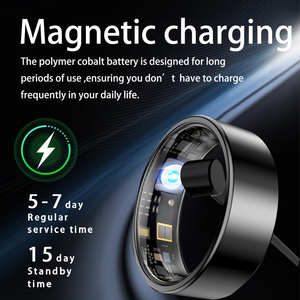
| Power Autonomy | 5 to 7 days on 18–24mAh high-density LiPo | 24 to 48 hours (AMOLED display power drain) | Reduces charging friction in fast-paced Tier-1 metro lifestyles. |
Strategic Market Dynamics: Why Smart Rings Are the Next D2C Frontier in India
India is the world's second-largest consumer wearable market by volume. However, the wrist-worn sector faces severe commoditization with ultra-budget fitness trackers under ₹1,999 ($24) compressing margins across Amazon India, Flipkart, and Quick Commerce channels (Blinkit, Zepto, Instamart). Forward-looking Indian tech brands, healthcare networks, and luxury fashion aggregators are aggressively shifting to smart rings to build high-margin, sticky consumer ecosystems.
Metabolic Health & Prediabetes Focus
With India often termed the "diabetes capital of the world," local users are demanding continuous biological feedback. Our smart rings integrate with third-party continuous glucose monitoring (CGM) APIs, synchronizing HRV and sleep cycles with metabolic spikes.
Bridal & Traditional Jewellery Synergy
Indian consumers have an intrinsic emotional and cultural relationship with rings. Titanium and micro-polished ceramic finishes allow domestic brands to market smart rings as luxury wellness bands or wedding engagement tokens, creating a premium gifting category.
Corporate Wellness & Executive Tech
Tech corridors in Bengaluru, Hyderabad, Gurugram, and Pune are witnessing enterprise wellness rollouts. Companies deploy smart rings to quantify employee burnout, managing autonomic recovery through standardized stress indexes.
Why Indian B2B Importers Partner with Shenzhen Tucks Technology
Shenzhen Tucks Technology Co., Ltd. (founded in 2008) operates an advanced electronics manufacturing facility in Shenzhen, China. Rather than acting as a broker or trading desk, we engineer, mount, seal, and test wearable micro-circuitry in-house under strict ISO9001:2015 controls.
- 8 High-Precision SMT Lines: Equipped with Yamaha and Panasonic modular placement systems capable of 0201 passive component mounting and ultra-dense micro-rigid-flex PCB handling.
- Annual Capacity of 2,000,000+ Units: We provide scalable production schedules ensuring Indian brands avoid stock-outs during peak festive seasons (Diwali, New Year, Great Indian Festival).
- Low-Risk MOQ from 200 Pieces: Validate your branding, ring sizing kits, packaging aesthetics, and app localization without heavy capital lockup.
- Turnkey White-Label Engineering: Full customization including laser-etched internal logos, custom BLE device naming, bespoke charging cases, and iOS/Android companion app SDK integration.
Compliance & Indian Regulatory Readiness: BIS, WPC & Customs Optimization
Importing smart rings into the Indian territory involves navigating rigorous technical trade compliance, chemical testing, and battery regulations. Tucks works side-by-side with Indian procurement directors to simplify clearance workflows:
- BIS (IS 16046 / IEC 62133) Certification: Our miniaturized lithium polymer ring cells are pre-certified or readily submitted for Bureau of Indian Standards registration, preventing port impoundment.
- WPC (Wireless Planning & Coordination) ETA: RF test certificates for 2.4GHz Bluetooth 5.0/5.3 LE channels ensure rapid Equipment Type Approval from the Ministry of Communications.
- Tropical IP68 / 5ATM Waterproof Sealing: High-vacuum epoxy resin potting protects delicate sensor traces against monsoon humidity, sweat corrosiveness, and immersion during daily rituals.
- Harmonized System (HS) Tariff Guidance: Clear technical documentation under HS Code 8517.62 helps your customs clearing agents apply appropriate Basic Customs Duty (BCD) rates.
Frequently Asked Questions: Smart Ring OEM for India
Answers to technical, regulatory, and logistics queries asked by product managers and sourcing heads across Mumbai, New Delhi, Bengaluru, and Chennai.
How does the smart ring's optical sensor compensate for darker Indian skin tones?
What is the standard procedure for BIS certification when importing into India?
How do Indian brands solve the ring sizing dilemma for end-consumers?
Can Tucks provide white-label companion mobile apps for Android and iOS?
What are the lead times for custom samples and mass production runs?
How does the internal encapsulation resist monsoon humidity and perspiration?
Launch Your Brand's Smart Ring Line with Shenzhen Tucks
Connect with our OEM technical team to evaluate testing samples, examine sizing kit options, review full BLE API documentation, and receive a complete configuration-based quotation tailored to your volume goals for the Indian market.
Inquire Now