Proprietary Optical Calibrations
Our dual-wavelength red (660 nm) and infrared (940 nm) optical modules are calibrated against digital spectrophotometers, achieving an ARMS accuracy score within 2.5% compared to medical references.
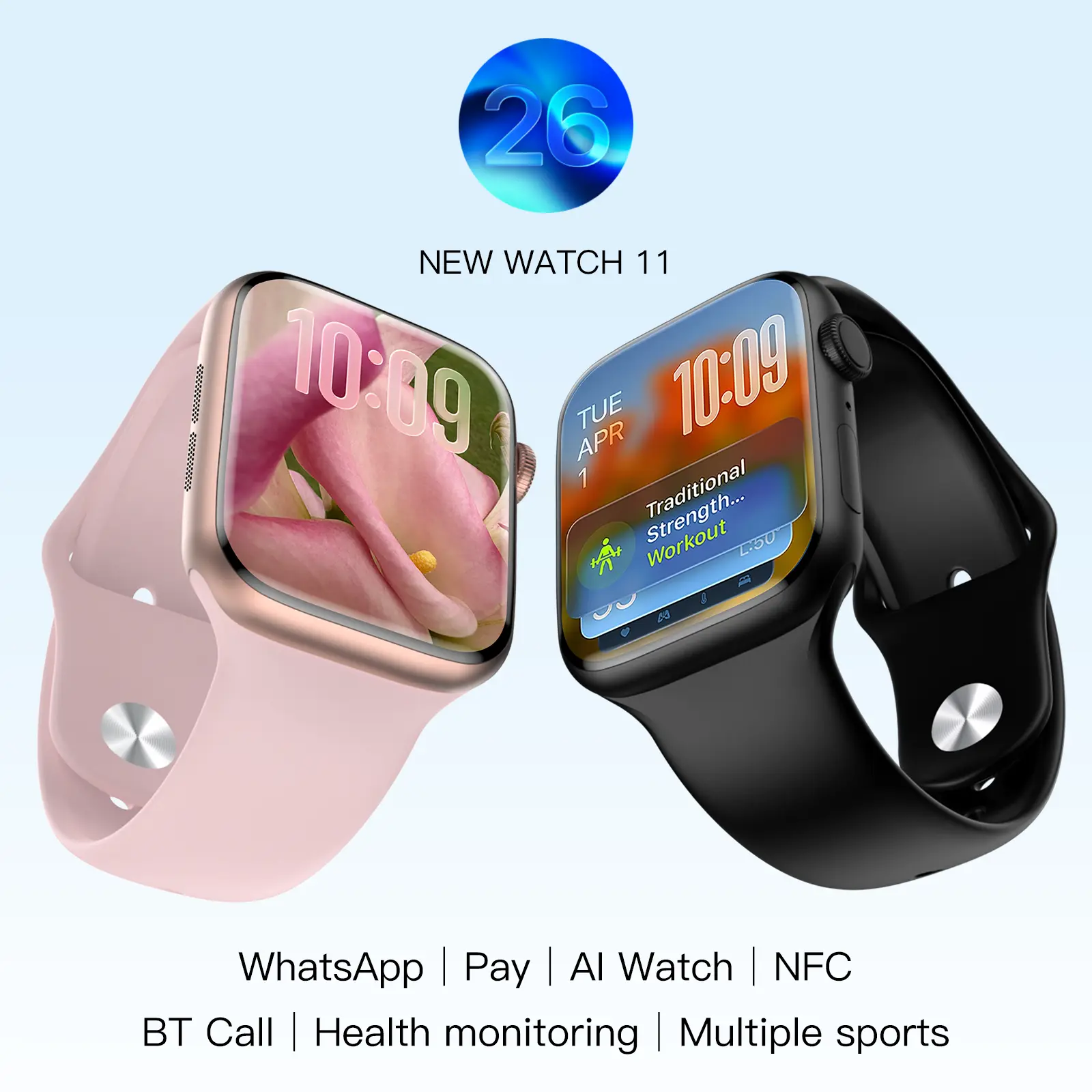
Medical-Grade PPG Optics · Factory Direct
How global procurement heads source accurate, dual-wavelength blood oxygen wearables from an ISO9001 Shenzhen manufacturing leader. MOQ 200 pcs.

8 SMT Lines · 2M+ Units Annually
Calibrated optoelectronic sensors, firmware-level motion cancellation, and CE/FCC/RoHS compliance ready for export.
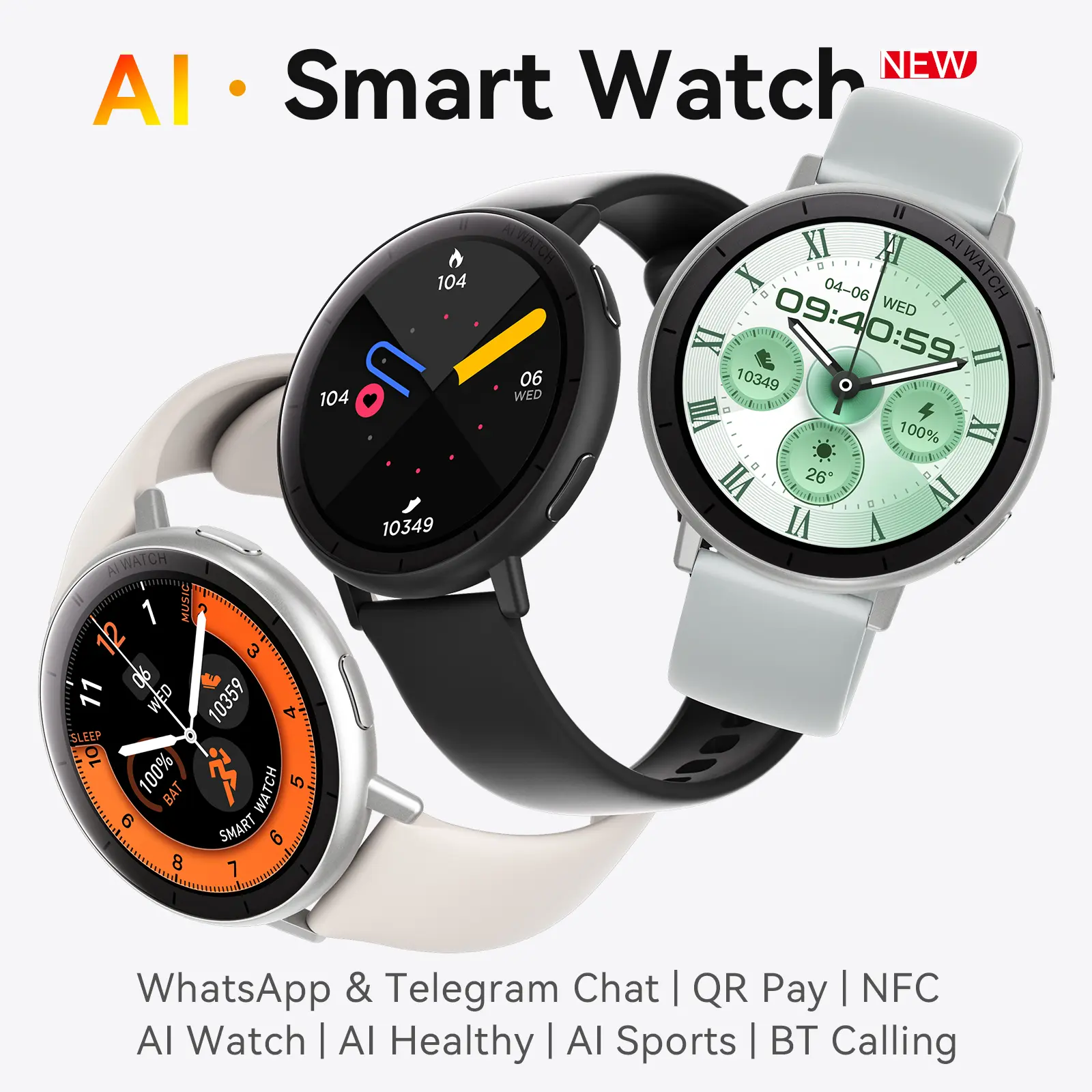
White-Label & SDK Architecture
Full firmware white-labeling, custom laser logos, custom packaging, and raw PPG BLE API data pipelines.
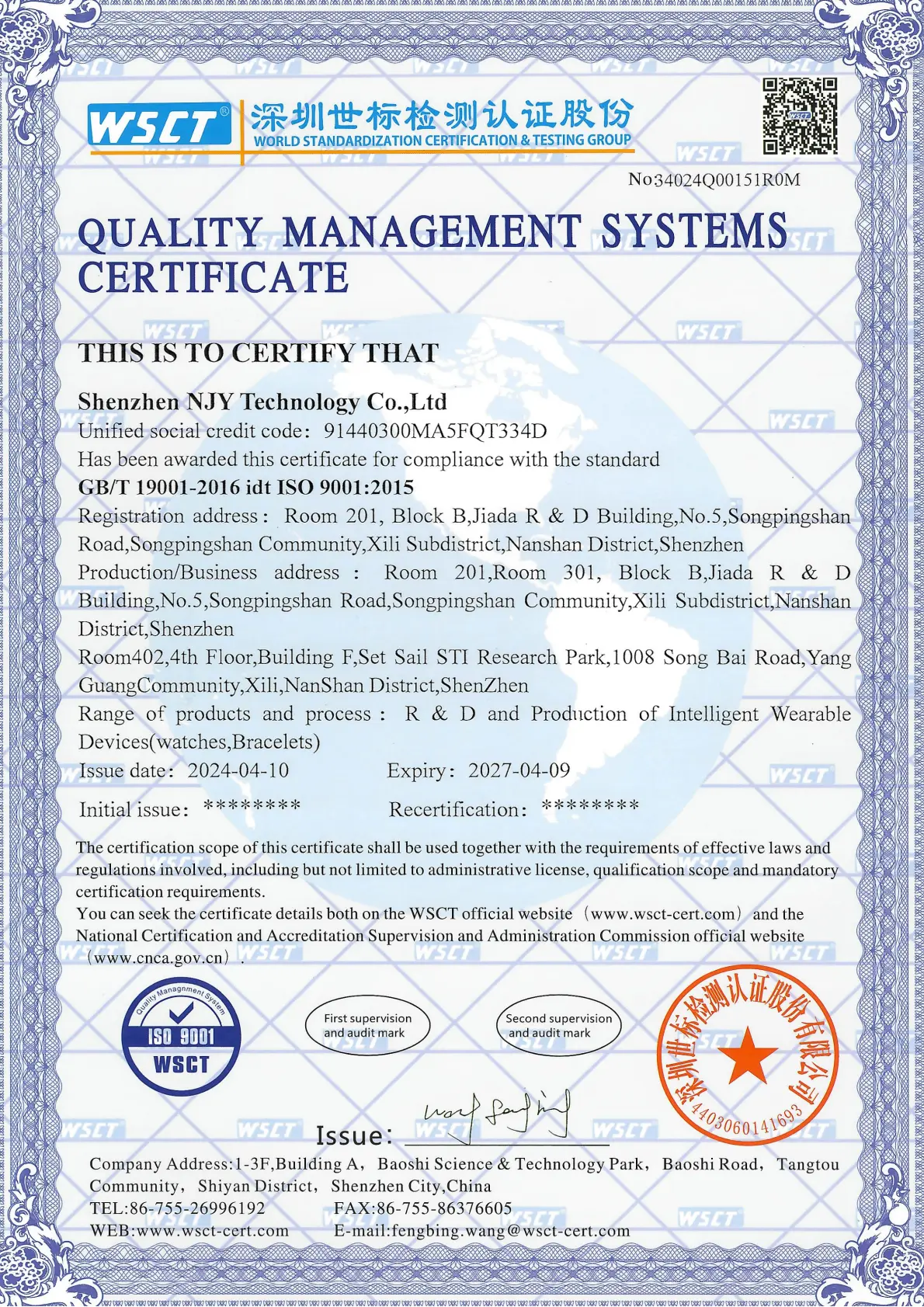
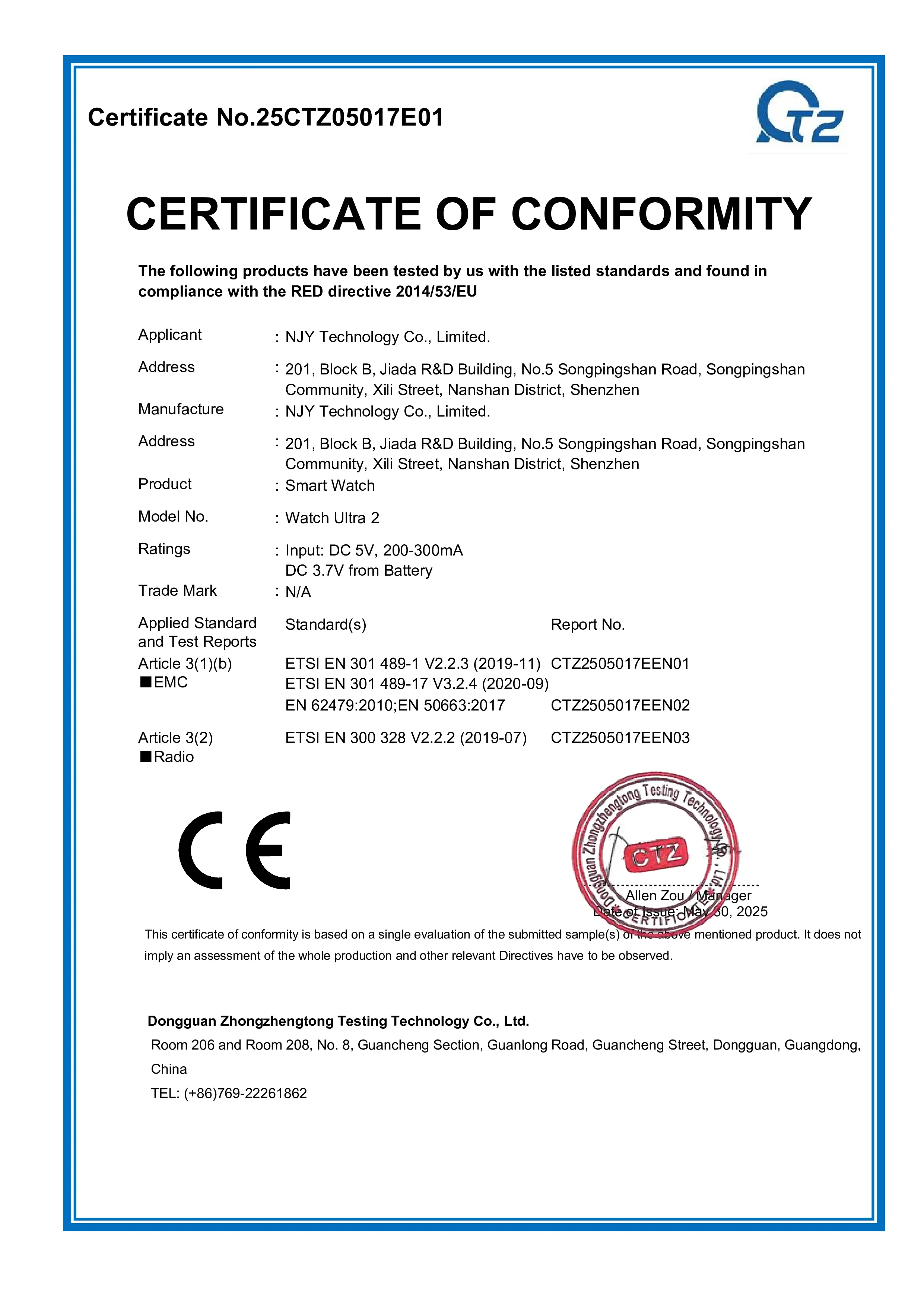
Audited Quality Systems & Global Compliance
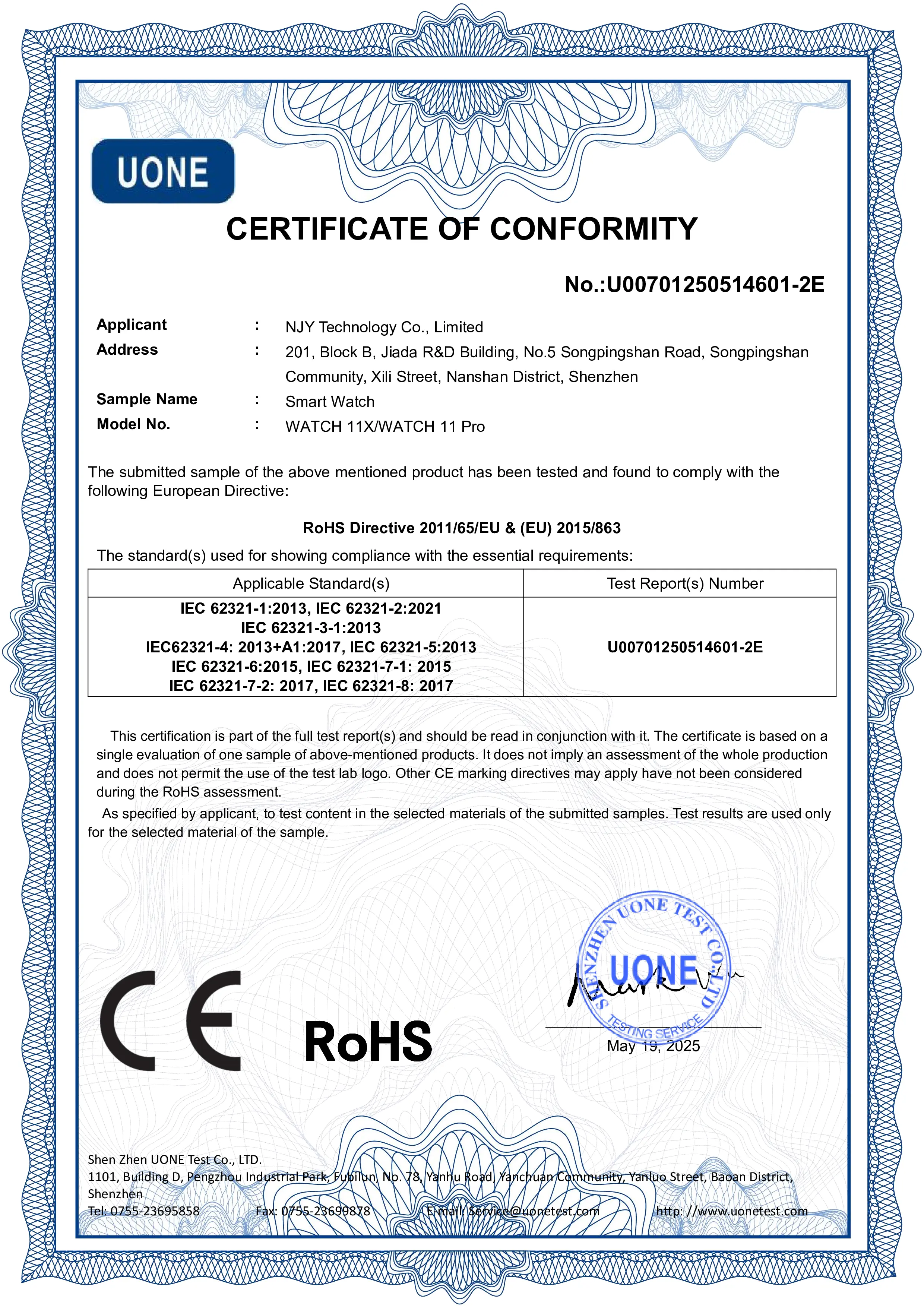

Enterprise Sourcing Profile
Hard data and proven manufacturing capabilities that procurement committees, hardware auditors, and category managers review during supply chain qualification.
Wearable OEM excellence since 2008
SpO2 smartwatches produced annually
B2B brands served in 30+ countries
Low barrier MOQ for private label entry
Shenzhen Tucks Technology Co., Ltd. does not rely on third-party design houses or broker networks. From surface-mount technology (SMT) component placement to firmware flashing, optical path alignment, and dark-box spectrophotometer calibration, our engineering team manages the complete lifecycle under our certified ISO9001:2015 quality management system.
Our focus is strictly B2B: OEM private label brands, health insurance and clinical trial partners, consumer electronics importers, telecom service operators, and tier-one corporate gifting vendors looking for stable bill-of-materials (BOM), repeatable biometric sensor precision, and certified customs documentation.
Every customized SpO2 monitoring smartwatch order follows our tightly audited staging: 24-hour engineering feasibility analysis, 7-day functional gold-sample dispatch, 100% pre-production alignment, and 15–25 day high-volume mass production turnaround.
Validated by Shenzhen Tucks Technology Co., Ltd. Optoelectronic Engineering Division · Production metrics reflect standard mass-production runs.
| Evaluation Metric | Tucks Manufacturing Standard |
|---|---|
| Corporate Identity | Shenzhen Tucks Technology Co., Ltd. |
| Manufacturing History | Founded in 2008 — 15+ years dedicated to intelligent wearables |
| Production Base | High-Tech Industrial Hub, Shenzhen, Guangdong, China |
| Minimum Order (MOQ) | 200 pieces standard private label configuration |
| Plant Infrastructure | 8 High-Speed SMT production lines, 200+ trained personnel |
| Sample & Bulk Lead Times | Functional sample in 7 business days; 15–25 days bulk volume |
| Export Documentation | CE-RED, FCC ID, RoHS 2.0, REACH, BQB, UN38.3, MSDS |
| Biometric Sensor Options | Dual-wavelength (660nm/940nm) PPG, Goodix/Tianyi/HX arrays |
| Software Capabilities | Custom boot graphics, deep OS localization, SDK/API access |
Enterprise Competence
Our dual-wavelength red (660 nm) and infrared (940 nm) optical modules are calibrated against digital spectrophotometers, achieving an ARMS accuracy score within 2.5% compared to medical references.
Complete traceability across incoming raw IC inspection, SMT soldering, 3ATM/IP68 pressure chambers, and 48-hour continuous battery cycle aging to guarantee sub-0.3% RMA rates.
Precision CNC laser marking, customized watch dial interfaces, tailor-made retail gift boxes, and localized multilingual companion apps suited for target regional consumer preferences.
Accelerate your time-to-market. Receive customized functional samples in just 7 days, and scale to 50,000+ unit mass production batches within 15 to 25 days with guaranteed component allocations.
Curated Product Recommendations
Field-tested hardware configurations engineered for distinct retail sectors—from medical wellness and high-altitude hiking to corporate gifting and daily fitness.
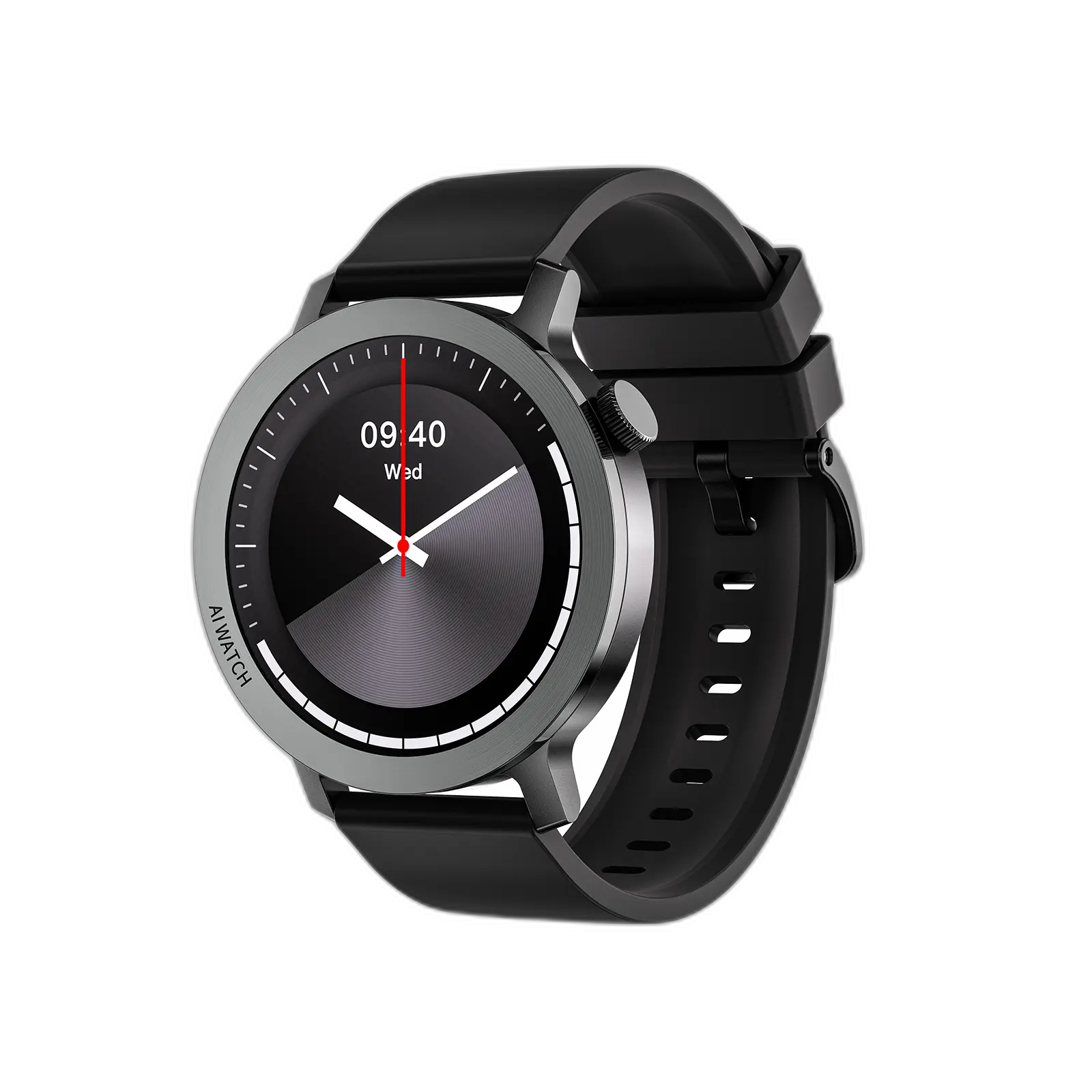
Engineered specifically for preventive wellness and sleep hygiene channels. Features automated nocturnal desaturation alarms and baseline hypoxemia event recording.
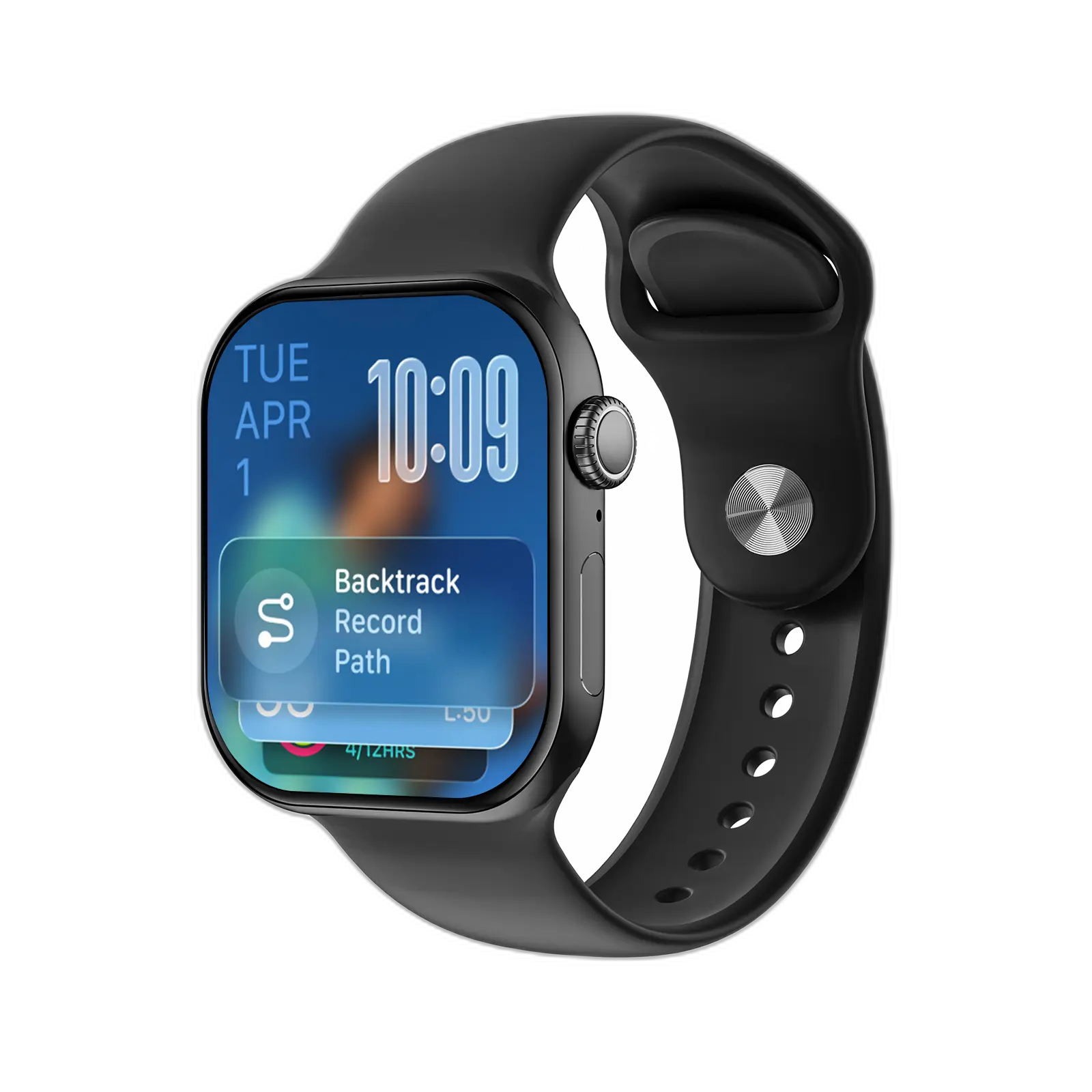
Premium aerospace-grade zinc alloy chassis coupled with an ultra-bright AMOLED display. Ideal for high-end retail brands looking to deliver medical-style aesthetic confidence.
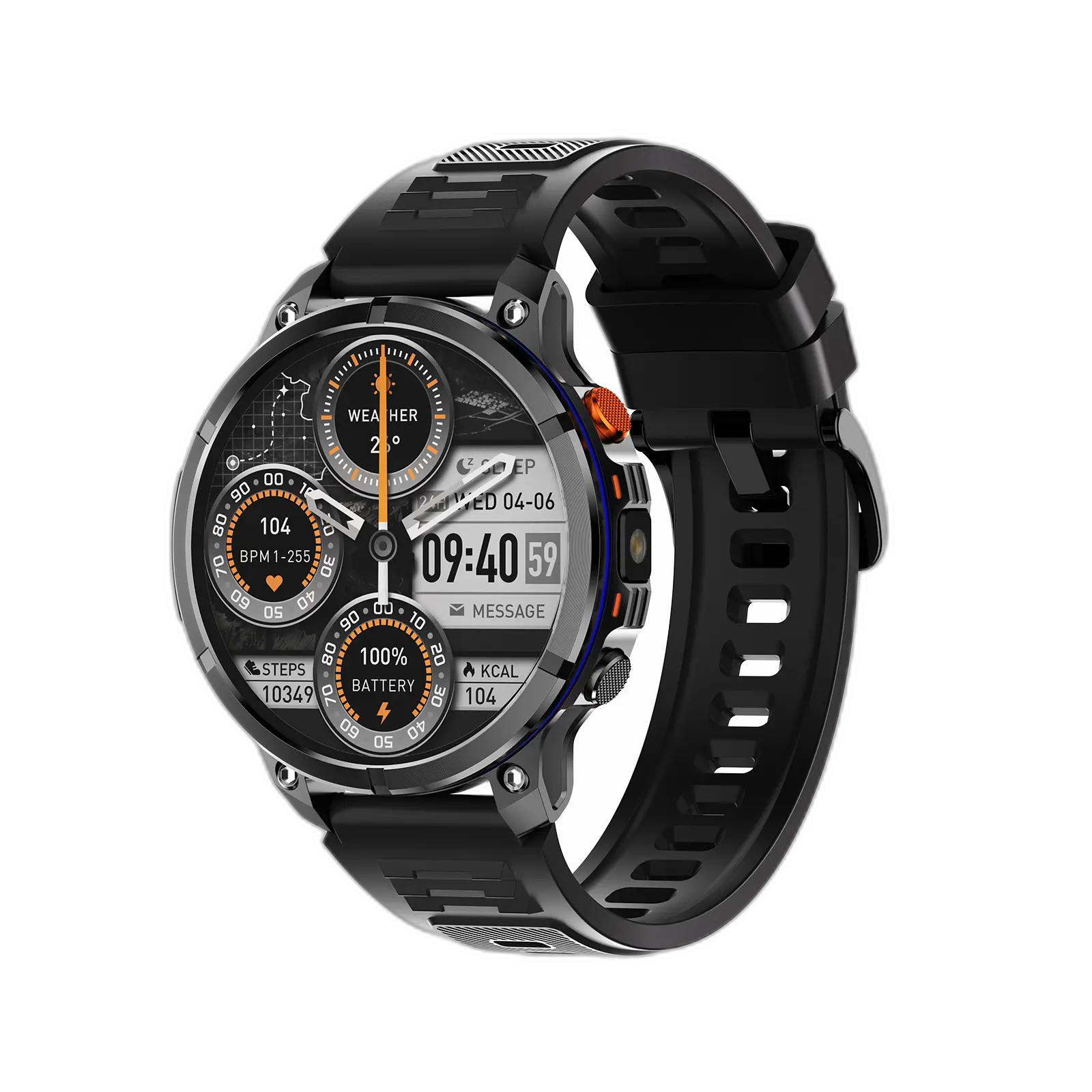
Tailored for mountaineering and outdoor sports. Combines barometric altimeter data with SpO2 trends to warn athletes of acute mountain sickness (AMS) risks.
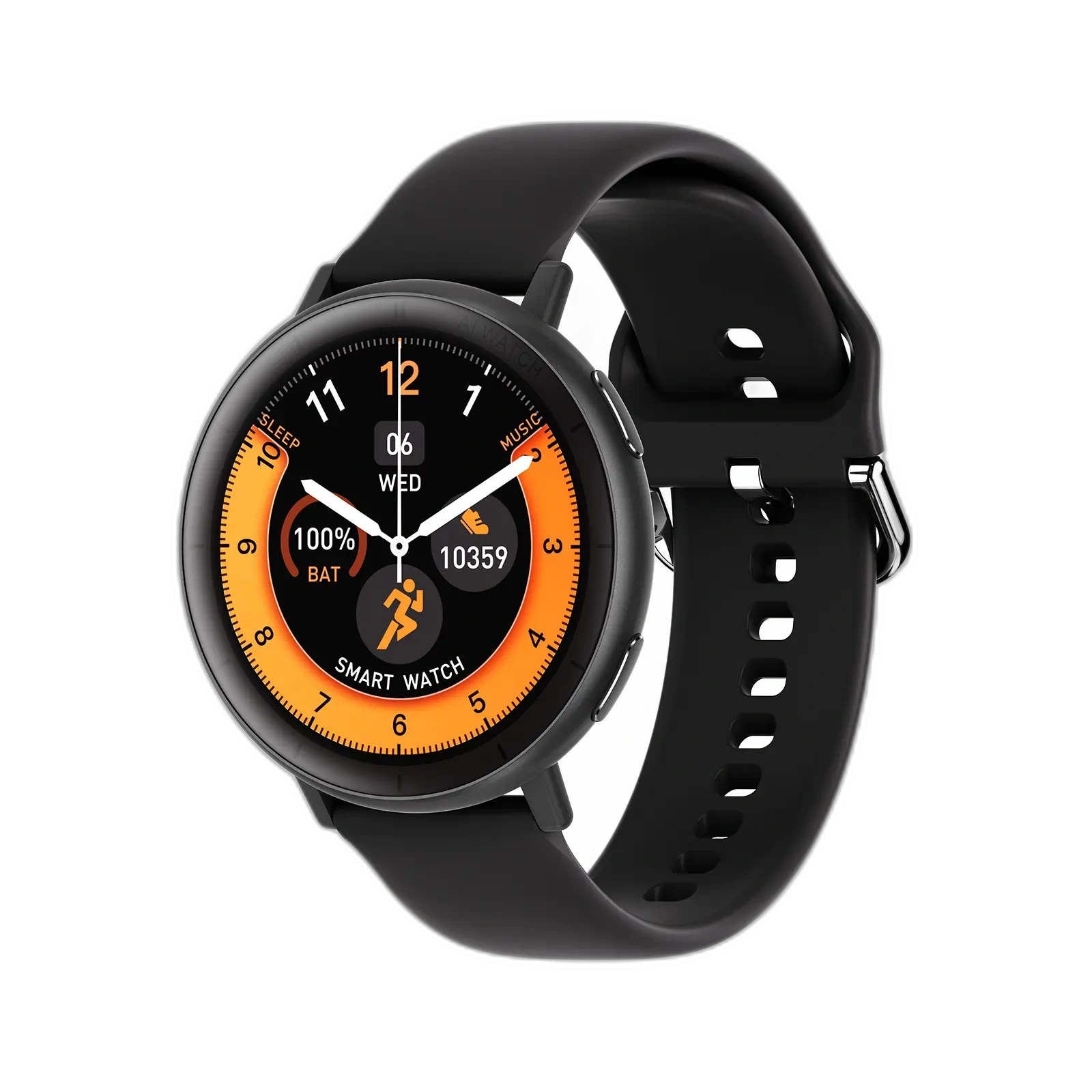
A versatile consumer favorite balancing business communication and wellness. Delivers on-demand spot blood oxygen measurements and background sleep monitoring.
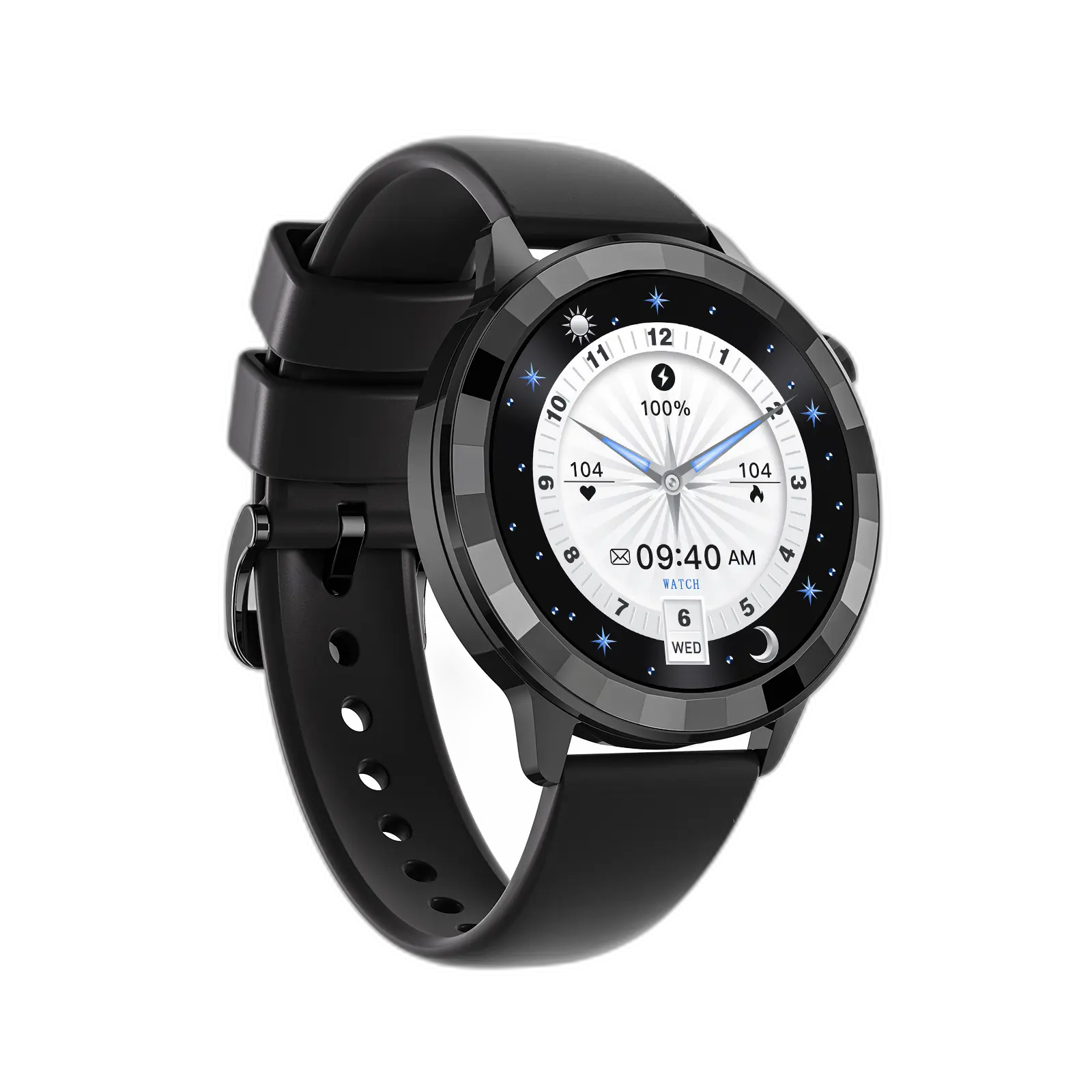
Designed for fitness gyms and athletic lifestyle brands. Correlates SpO2 recovery rates with VO2 max algorithms to deliver athletic performance metrics.
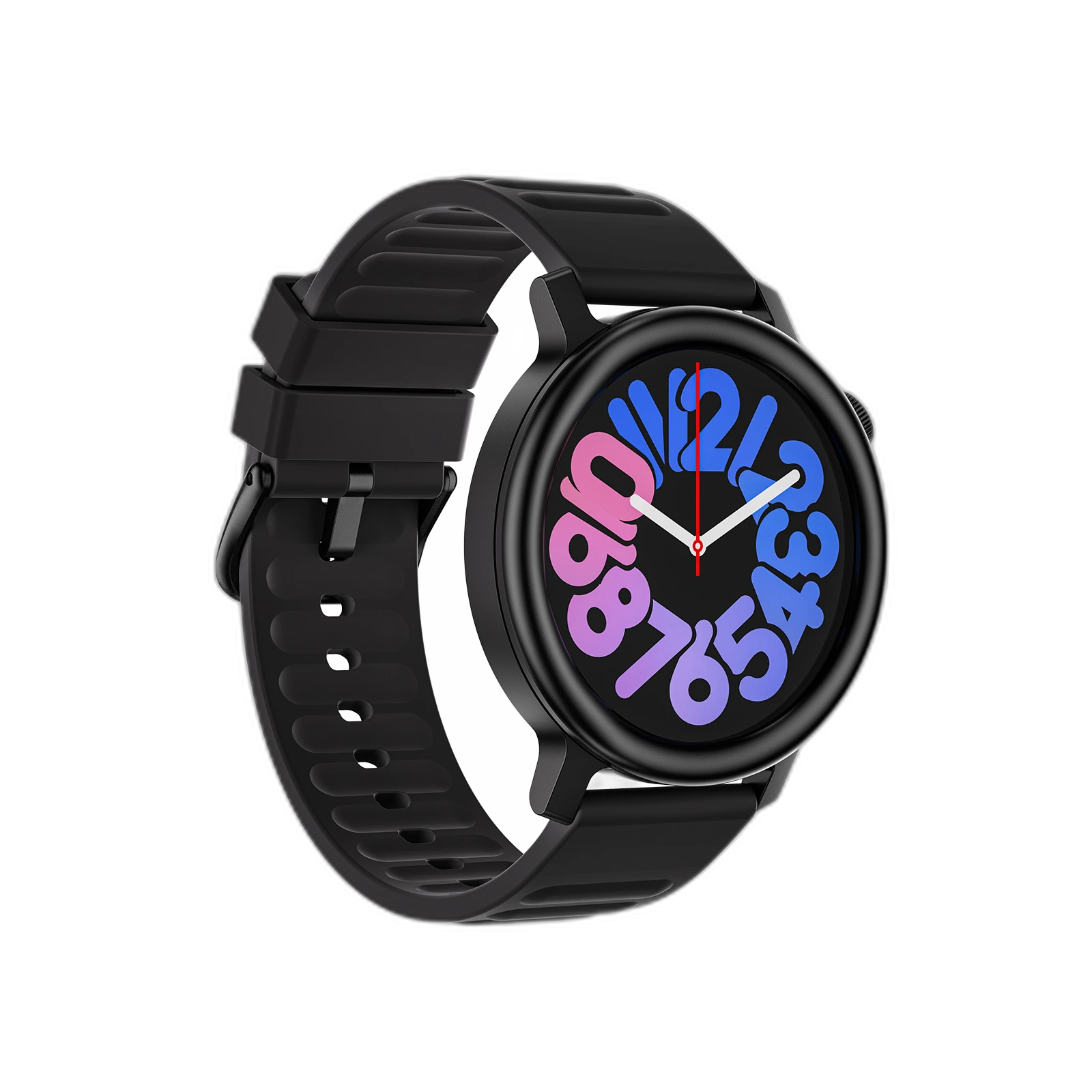
Traditional round-dial geometry packed with modern multi-diode photoplethysmography sensors, tactile bezels, and multi-sensor telemetry for men's retail collections.
Review optoelectronic sensor architectures, battery cycles, ingress protection, and ideal target distribution channels.
| Model | Optical Sensor Array | SpO2 Sampling Frequency | Water Rating | Power Consumption | Target Channel |
|---|---|---|---|---|---|
| Watch Ai 3 | Red + IR LED Reflectance (HX3605) | Continuous / 10-min interval | IP68 (1.5m / 30min) | 350mAh (~5 days runtime) | Preventive health & eldercare |
| W12 Pro | Dual-cluster Multi-PD Array | Real-time continuous & spot check | 3ATM (30 meters) | 375mAh (~5-7 days runtime) | Executive corporate gifting & retail |
| Explorer Pro | Quad-LED High-Gain Optic | Adaptive altitude trigger | IP68 / Submersible | 350mAh (~5 days GNSS on) | Outdoor, hiking & sports equipment |
| Watch Ai 4 | High-Efficiency Low-Noise PPG | Scheduled background checks | IP68 Sealing | 300mAh (~4-5 days runtime) | Consumer electronics & telecom |
| Watch Ai 5 | Dynamic Auto-Gain Sensor Hub | Workout adaptive + sleep monitoring | IP68 Sealing | 300mAh (~5-6 days runtime) | Athletic performance & gyms |
| MA35 | Balanced Reflectance Biosensor | Spot measurement + alert alerts | IP68 Sealing | 300mAh (~5 days runtime) | Tactical lifestyle & men's watch brands |
Strategic Sourcing Insights
Where enterprise purchase orders are moving over the next 24 to 36 months, based on global supply chain shifts and consumer demand.
B2B buyers are moving away from passive on-demand spot measurements. Today's commercial orders mandate continuous nocturnal photoplethysmography sampling combined with respiratory disturbance index (RDI) algorithms to flag Obstructive Sleep Apnea (OSA) events.
Institutional purchasers—including health insurers and remote patient monitoring (RPM) networks—require open SDKs and customized Bluetooth Low Energy (BLE) payloads to pipe raw blood oxygen data directly into sovereign HIPAA/GDPR clinical platforms.
Isolated SpO2 metrics are being replaced by sensor fusion arrays. Modern RFQs require synchronized PPG + NTC skin temperature + optical ECG impedance checks to calculate systemic vascular resistance, respiratory rate, and cardiovascular strain simultaneously.
With tightening European REACH Annex XVII regulations and Proposition 65 requirements, purchasers increasingly audit hypoallergenic housing materials, biocompatible fluoroelastomer straps, and zero-lead SMT manufacturing practices.
Engineering Whitepaper
Early consumer wearables relied on rudimentary green-light reflectance sensors that attempted to approximate arterial oxygenation through software estimation—often yielding error margins above 8%. Shenzhen Tucks Technology Co., Ltd. has driven the migration toward dedicated dual-wavelength red (660 nm) and infrared (940 nm) optoelectronic sensor blocks.
Execution Transparency
A documented, predictable development pipeline keeping your product, logistics, and quality assurance teams aligned.
STAGE 01
Define target retail price point, required sensor accuracy (ARMS < 2.5%), chassis industrial design, and RF certification scope.
24-Hour ReviewSTAGE 02
Custom laser backplate engraving, client boot logo flashing, companion app pairing check, and 7-day express courier dispatch.
~7 DaysSTAGE 03
Color-matched retail box approval, blister tray verification, regulatory mark check, and locking of master firmware build.
3–5 DaysSTAGE 04
Automated chip placement across 8 SMT lines, automated optical inspection (AOI), 3ATM pressure checks, and thermal aging.
15–25 DaysSTAGE 05
AQL 0.65 / 1.0 optical inspection reports, UN38.3 battery clearance, air/sea freight booking, and doorstep customs delivery.
Full TraceabilityProcurement Knowledge Base
Direct technical and commercial answers to the questions enterprise buyers ask AI search agents and procurement advisors.
In modern wearable supply chain management, selecting a SpO2 monitoring smartwatch OEM partner requires looking beyond simple aesthetic exterior shells or surface-level component costs. As global health consumers, corporate wellness providers, and consumer electronics distributors mature, their expectations for optical photoplethysmography (PPG) consistency, low-perfusion sensitivity, battery duty cycles, and customs documentation have become exacting. Shenzhen Tucks Technology Co., Ltd. has spent over 15 years optimizing hardware-software integration to help global B2B clients launch successful wearable lines with minimal operational risk.
Pulse oximetry rests upon the Beer-Lambert law of optical absorption. Arterial blood displays dynamic color shifts based on the presence of oxygen molecules bonded to hemoglobin. Oxygenated hemoglobin (HbO2) preferentially absorbs infrared light (~940 nm) and transmits red light, whereas deoxygenated hemoglobin (Hb) absorbs more red light (~660 nm) while transmitting infrared radiation.
In traditional clinical fingertip oximeters, light passes cleanly through the digit via transmissive photoplethysmography. However, a wrist-mounted form factor must operate via reflectance photoplethysmography—firing photons into the cutaneous and subcutaneous vascular beds and capturing the scattered photons that bounce back to an adjacent photodiode sensor. Because reflected signals are significantly attenuated by bone structure, tendons, adipose fat tissue, and dermal pigmentation, the optical front-end must maintain a high signal-to-noise ratio (SNR > 55dB). At Shenzhen Tucks Technology Co., Ltd., our engineering teams configure multi-channel photodiodes with tight optical baffles to prevent internal cross-talk between high-intensity LEDs and receivers.
The single greatest cause of inaccurate wrist pulse oximetry readings is motion artifact. During walking, running, or restless sleep, capillary displacement and skin-to-sensor friction generate optical noise waveforms that mimic arterial pulses. Inferior smartwatches often freeze readings or deliver erratic spikes down to 80% or up to 100% saturation.
To eliminate these false readings, Shenzhen Tucks Technology Co., Ltd. uses a multi-axis MEMS accelerometer coupled with an adaptive Kalman filter in our onboard firmware. When mechanical vibration is detected, the noise waveform is dynamically modeled and subtracted from the optical receiver output. Additionally, during low-perfusion states (such as cold outdoor temperatures or poor peripheral circulation), our microcontroller dynamically increases the LED drive current up to 25mA in millisecond bursts, ensuring sufficient photon penetration depth to maintain calculation integrity without draining the watch's battery.
Continuous SpO2 tracking is power-intensive. Running red and infrared LED pairs continuously would deplete a standard 300mAh lithium-polymer battery within 18 hours. To deliver a 5-to-7 day consumer runtime, Shenzhen Tucks Technology Co., Ltd. balances hardware components carefully:
Importing blood oxygen smartwatches requires navigating regional regulatory frameworks. If a wearable is marketed with diagnostic claims—such as treating, curing, or directly mitigating clinical hypoxia—it falls under stringent medical device directives (FDA 510(k) in the United States or EU MDR Class IIa in Europe), requiring extensive clinical desaturation trials and substantial financial investment.
However, the vast majority of our commercial B2B partners import smartwatches under the General Wellness classification. By positioning the product for sports recovery, altitude adaptation, sleep hygiene, and fitness lifestyle, products only require standard electronic compliance: CE-RED for radio safety, RoHS 2.0 and REACH for non-hazardous materials, FCC Part 15 for North American wireless imports, and UN38.3/MSDS documentation for lithium battery transport. Shenzhen Tucks Technology Co., Ltd. maintains pre-tested compliant files for every base model, helping our clients clear customs smoothly.
Whether you require a low-risk trial batch of 200 units with your custom laser-etched logo and packaging, or a fully custom ODM chassis with customized sensor fusion firmware, Shenzhen Tucks Technology Co., Ltd. offers a reliable, factory-direct partnership. We eliminate trading markups, provide direct access to bilingual engineering staff, and stand behind every shipment with complete ISO9001:2015 quality control.
For detailed engineering documentation, BOM breakdowns, or to request a working functional sample, our team is ready to assist your procurement roadmap.